Advice on herbalism and foraging in these pages and throughout our website is from a kitchen herbalist’s perspective and isn’t intended to replace medical diagnosis and recommendations. It is provided to enhance and encourage your own efforts to provide for your family and maybe add a little different perspective to your studies. Everything here is from my own personal study and experiences of using herbs and making remedies for my family and friends. This website is as much a diary of my own progress and learning as it is anything else, so, as I study to become qualified, I may change things a little here and there to reflect my growing knowledge and skills. There are reference pages on the website for all of the sources of information I have used in preparing this site in an organised manner.
If you are sick in any way for more than a couple of days, don’t hesitate to see a doctor.
You’ll often hear the phrase ‘a weed is just a plant that is where we don’t want it’. That may be true, but if we don’t understand the plants and their uses, how can we be sure that we don’t want them?
Many of our Australian weeds originally arrived here, by various means, from the Europe and Asia, where they have a long tradition of being used medicinally as herbs. That’s a good thing because it means that we can easily find detailed information on them.
Many weeds are also visual indicators of what is going on in the soil around them. They can indicate the richness and moisture of the soil and sometimes, what it is lacking. For the medicinal use, please refer to our ‘Herbs in the Garden‘ page where you can find the remedial uses of some of our more common plants. This page is for non-native plants. ‘Bushfoods & Bush Medicines‘ covers a lot of the useful, local Native plants. We also have pages on making remedies.
Flowering times are approximate. Plants don’t take a lot of notice of calendars and the changes in our climate are mixing things up a bit. The times we’ve given are from our own local experience and we are even seeing some plants flower earlier and for longer as global heating kicks in.We’re always learning about our by botanic community, taking new pics and meeting folks who know a lot more than we do, so keep checking your favourite plants in these pages. There’s always more to come!
From the perspective of healing –
Herbs, especially wild ones, can have far deeper effects than simply being ‘good for this and that’ – herbalism is as much about the person as it is the symptoms of disorder. These pages though only touch on the immediate issues that they can help with. That’s where I was at in my herbal journey when I started this website and it is the point from where most people first engage with herbs.
As time goes by, I’m adding much more about the energetics and other herbal characteristics of the plants and the people they benefit most.


(updated 21/02/24)
(updated 29/08/25)

(updated 22/02/24)
(updated 02/09/25)

(updated 31/07/25)

(updated 29/08/25)

(updated 31/07/25)


(updated 21/08/25)
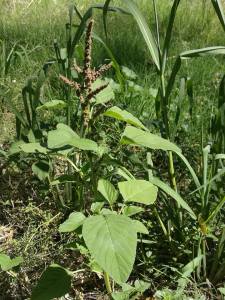
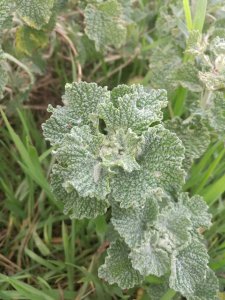
I am a self taught herbalist and forager, I currently have no formal qualifications in this field, just experience, observation and and private research skills.
These pages are more to inspire you to take up your own research and exploration and not are not intended to be
prescriptive – so I’ve got to include the caveat ”In the case of illness, see a licensed healer”.
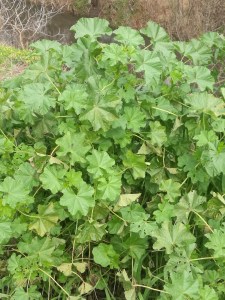
(updated 02/08/25)


If you’re finding this information useful, share it with your community

(updated 31/07/25)
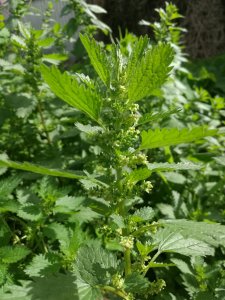
(updated 19/08/25)
(updated 5.08/25)

(updated 27/08/25)

(updated 25/09/25)

(updated 20/02/24)
(updated 21/02/24)
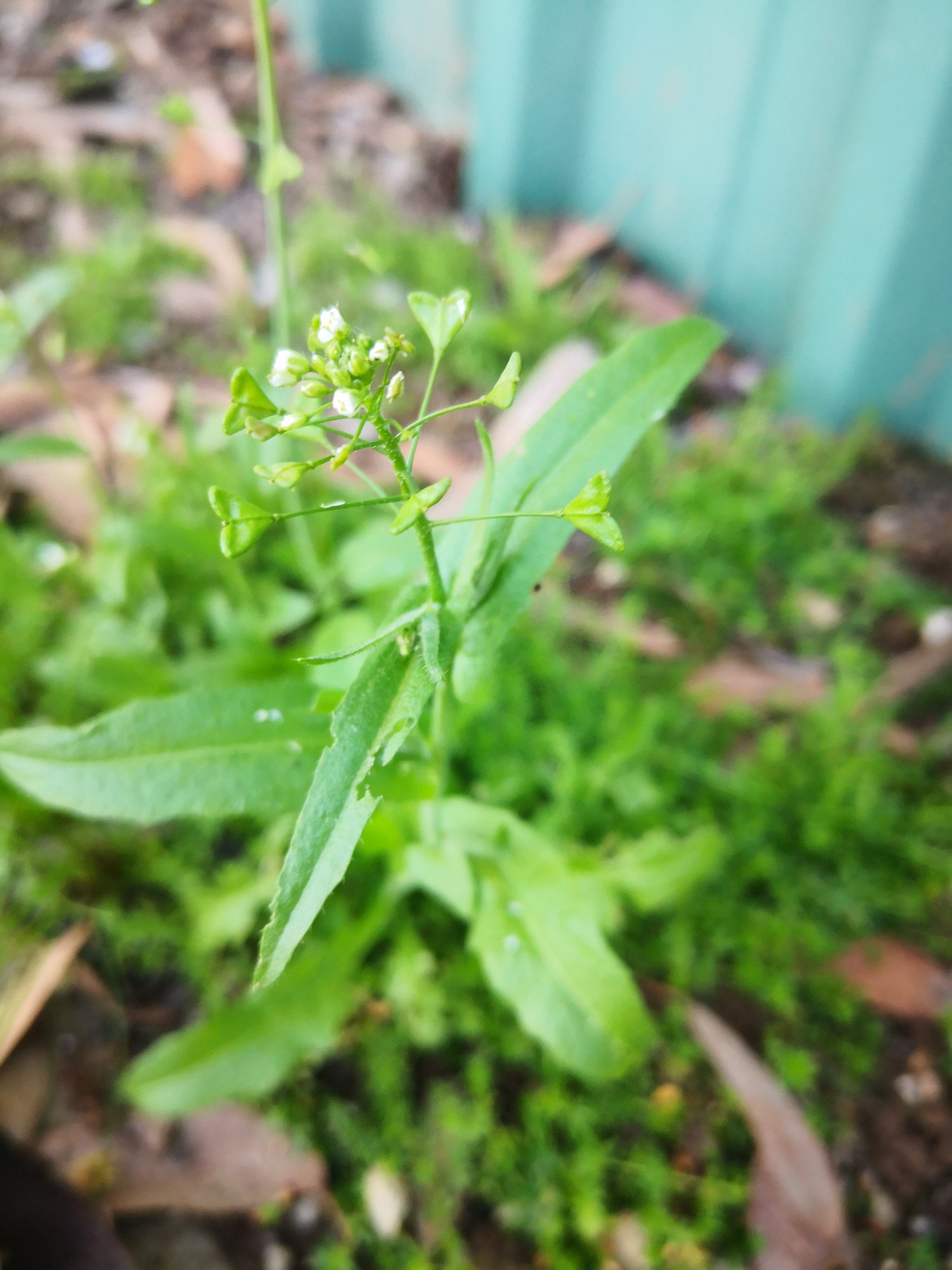
(updated 28/08/25)
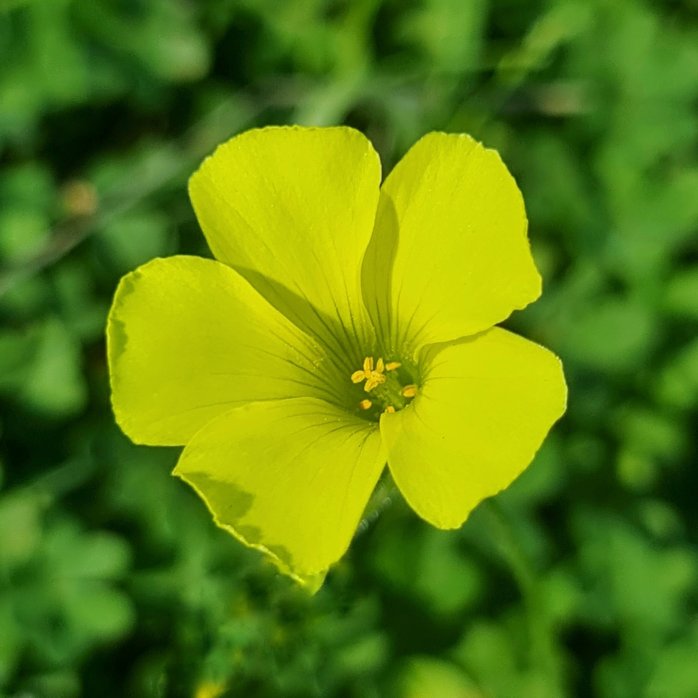
(updated 3/08/25)
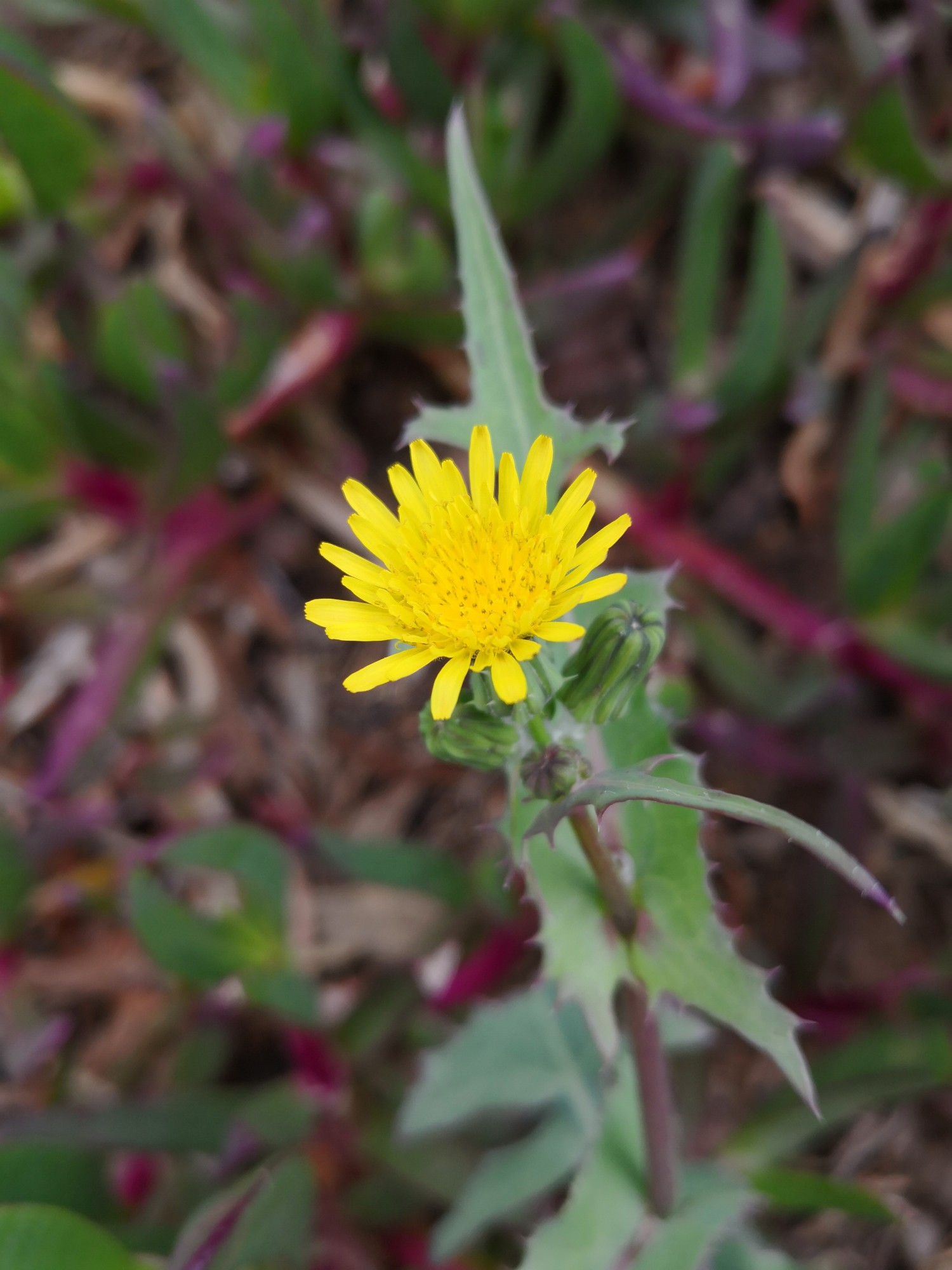
(updated 2/08/25)

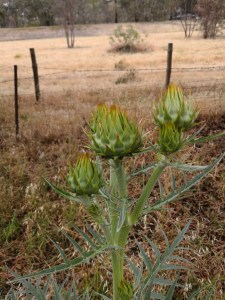

(updated 9/09/25)
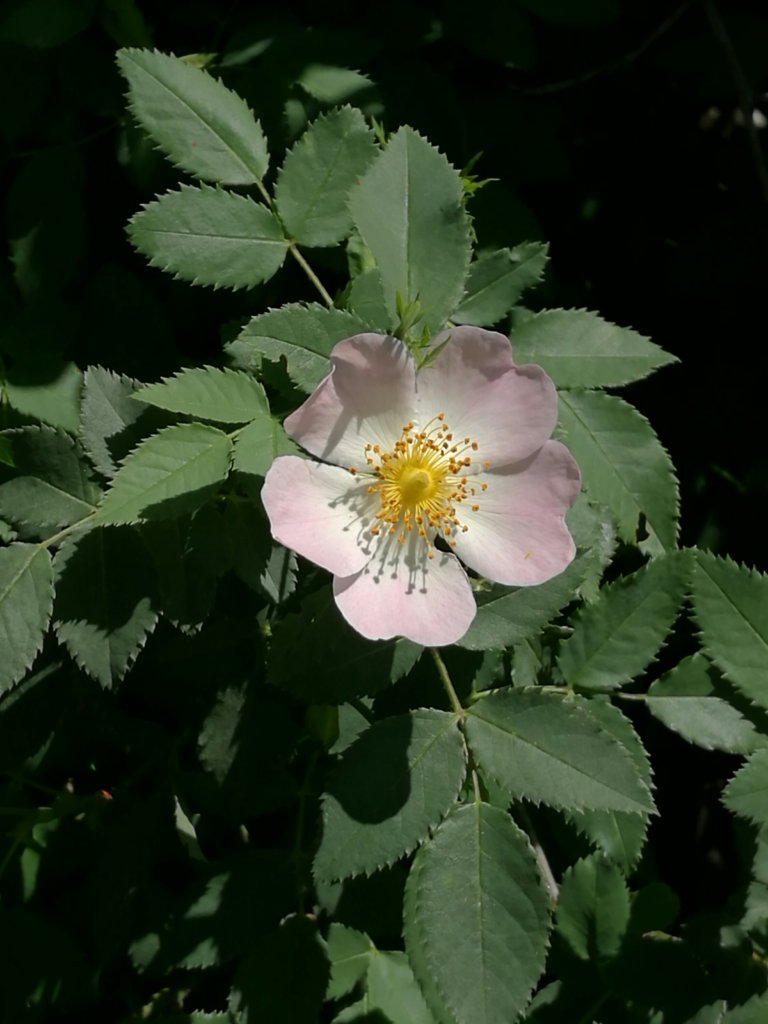
(updated 26/02/24)
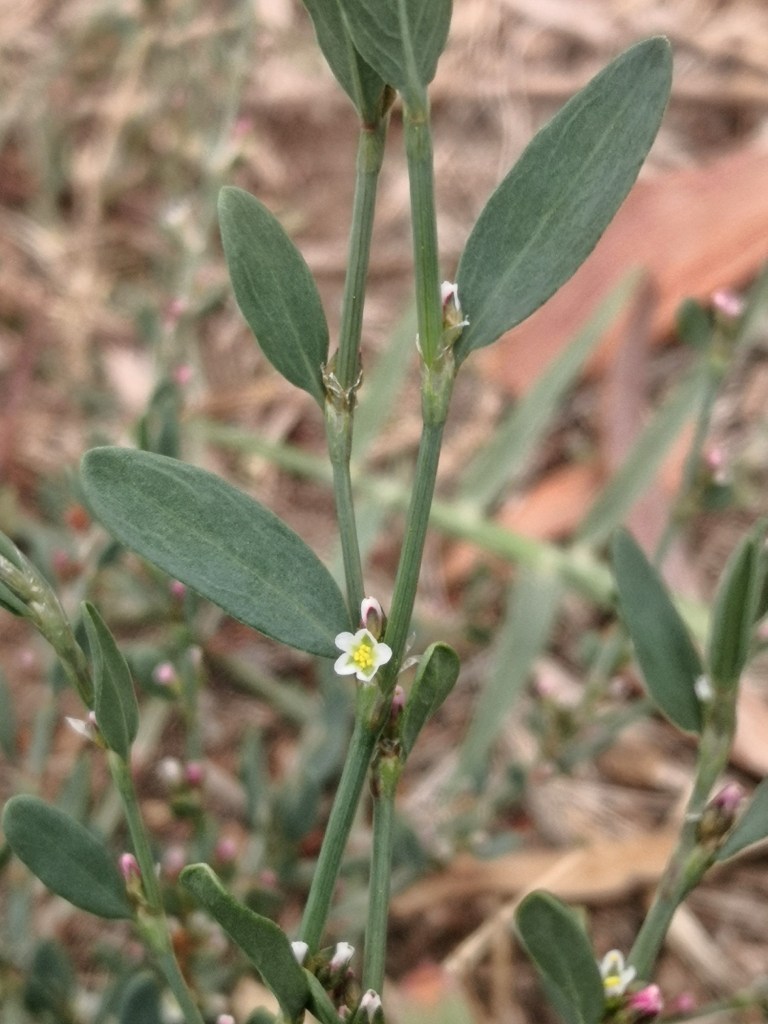
(updated 26/02/24)
Coming soon
I’m always adding new information, so come back frequently to see the updated pages and, even better, new ones! Here’s what I’m working on at the moment –
Sticky Goosefoot (Dysphania botrys)
Caustic Weed (Euphorbia drummondii)
Corn Speedwell (Veronica arvensis)
Twiggy Mullein (Verbascum virgatum)
Hawthorn (Crataegus monogyna)
Sticky Mouse – Ear Chickweed (Cerastium glomeratum)
Purple Woodsorrel (Oxalis purpurea)
Common Groundsel (Senecio vulgaris)
If you’re finding this information useful, share it with your community
Other herb pages on Ligaya Garden
We cover a lot of ground on many herb related topics here on our website. There are whole pages devoted to different topics as well as frequent posts. Some of the links are –