Everyone is unique in how we experience both llness and cure. That’s a simple fact ignored by commercial medicine but enshrined in herbalism.
Our uniqueness means that the not only the herbs in a remedy can be different, but the amount and frequency of dosage that everyone needs is different. However, as a herbalist who writes for a general audience, I’m often asked ‘How much should I take and how often’?
For this explanation, I’m going to ignore a lot of the weird measurements such as drams and minims. If you’re old enough to remember, all of our school exercise books and dictionaries used to have charts of conversions on their back cover or inside them somewhere that the very bored amongst us used to try to memorise. They’re out of date but are still good fun to try and get your head around when preparing for trivia nights.
When you consider that poor folk herbalists may not have had the luxury of a set of scales, measuring by volume, made sense.
I would like to point out that that colonised Turtle Island uses measurements from a system called ‘avoirdupois’. Measurements in the avoirdupois were based on the physical characteristics of random noblemen and were changed frequently based on who was in power. The US inch could be based on the anatomy of a long dead French aristocrat! Confusing all of this is the fact that there are measurement systems for liquids that are based on volume, such as ‘fluid ounce’ that are still commonly used. If, like me, you were born in the mid 20th century, you will be familiar with several different measurement systems but for folks born later, metric is the go, unless you’re on colonised Turtle Island, where they still often use Imperial.

Just a teaspoonful…
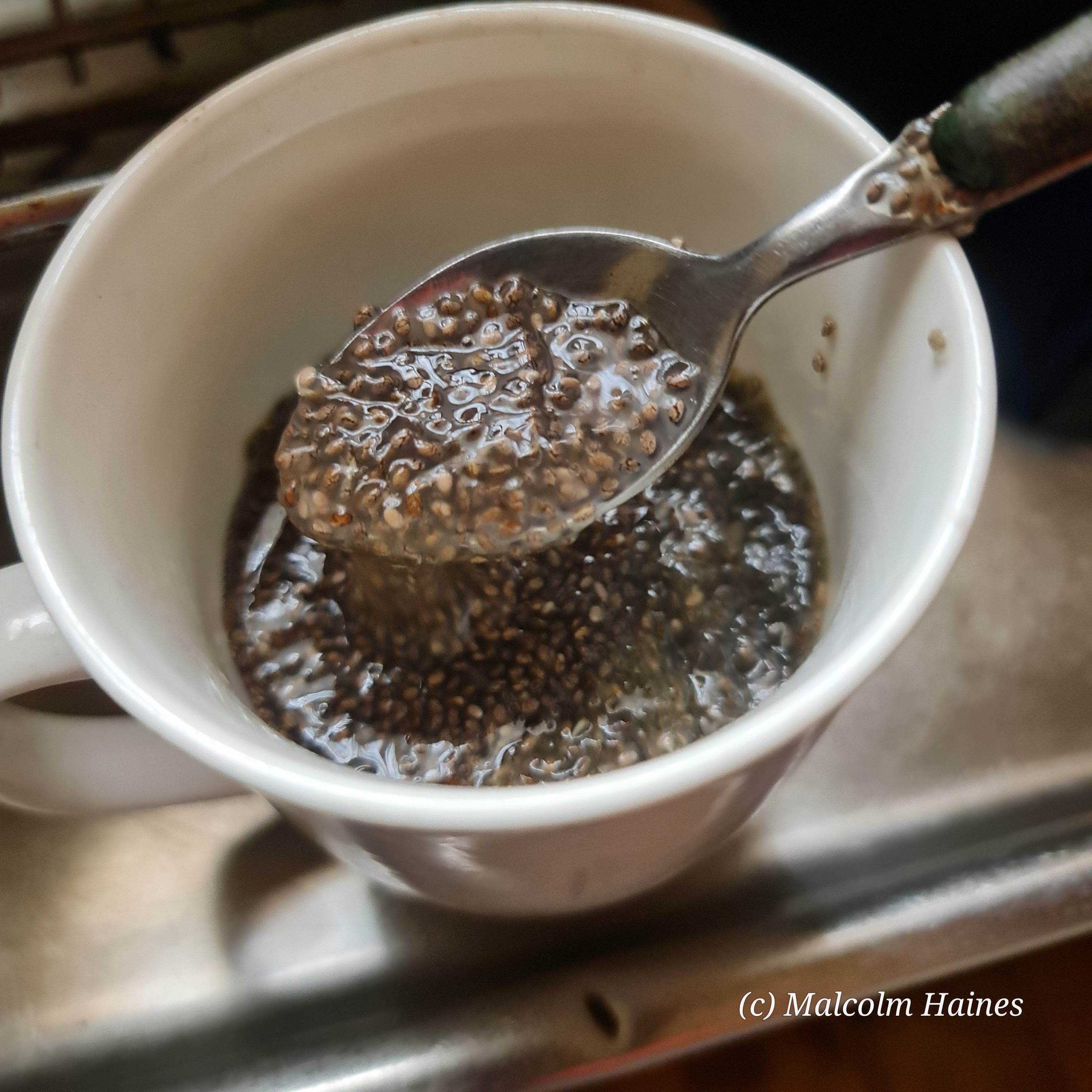
As a general guideline, I suggest that a teaspoonful of herb in a cup of water, sipped slowly, is a great place to start when learning how to make or take remedies. Frequency is often more important than the size of the dose, especially when you’re looking at the patient through a holistic or energetic perspective. Acute ailments need more frequent doses than chronic ones. As you gauge the taste and strength of your preparations, you may choose to increase the amount of herb slightly to suit.

A teaspoonful is quite a vague amount but seems to work in many cases. Make sure that you use a proper measuring teaspoon. Many general kitchen teaspoons are much shallower and hold less. It might be OK in your kitchen when you are working out your doses at home but as soon as you tell someone else ‘a teaspoonful’, they might reach for a different brand of flashy decorative teaspoon and get a different measurement. Invest a little in proper measuring spoons.
When you progress from teas to more medicinally potent infusions, you’ll start thinking in tablespoons. Then you’ll now that you’re making medicine!
For we kitchen herbalists, there is a lot of wiggle room in our conversions, but whatever you do, be consistent for yourself and your remedies.
Metric
It’s all very confusing because measurements and dosages have come from different lineages and cultures and have developed at different stages of our western science, so I put together this post to help us all understand. Writing it helped me clear up a few inconsistencies in my understanding – that’s one of the reasons I like to write stuff here, I am learning all of the time and writing these posts and pages clarifies things and sets them right in my mind. As I’ve mentioned elsewhere, this website is as much a diary of my learning as it is a community resource. In the real world, however, we use the metric system. It’s based on convenient multiples of 10 which is easy to calculate because most of us have 10 fingers.
The metric system is based on 10s, not a mix of 10s and 12s as the old UK Imperial system was and is much easier to convert and calculate in If you were born in that era, you would have been able to make calculations in that system but as I’m 62 now and when we were at school, we were still expected to convert between Imperial and this new metric system, that means that generations have been born who don’t need to know it except for trivia nights or, like us, when reading old herbals. I’ll eyeball length measurements in feet, yards, and miles but can also switch to less poetic metric measurements at will.
If you’re finding this information useful, share it with your community
Measurements in metric are based on milimetres, weights on grams, and volumes based on millilitres. Conveniently, 1 millilitre = 1 cubic millimetre of water and weighs 1 gram. 1 kilogram is then 1000 x 1 gram and 1 litre of water is 1000 millilitre and weighs 1 kilogram. The volume changes a little with denser fluids like oil.
Many herbal tomes describe measurements in ounces when making remedies. Simply put, an ounce is approx 28 grams. Stick to that and you’ll be right! Some other systems base their ounces on volumes but we can stick with the same thinking and make 1 ounce equal to 28 milliliters. You can even round it out further, as I am prone to do and work on 1 ounce being the equivalent to 30 grams. 1 fluid ounce then works out to be approximately 30 ml.
Drops
In many books and on (or is it in?) a lot of websites, you will see dosages measured in ‘drops’,
As you become more attuned to your remedies, you will naturally find that you need to use less. This is particularly true of the more potent remedies like tinctures that are often shared in drops. I previously gave teaspoonfuls of some remedies but for those that I’m more connected with and will give 5 drops. Other remedies that I’m not so in tune with, I still give tsp.
One drop of water is far smaller than one drop of oil, however, which tends to cling to itself and make a bigger drop. The same goes for glycerine. Then there’s the question of ‘how big is the dropper’? How much does it hold, and how wide is its opening? These can be quite variable, especially when, as kitchen herbalists, we are often reusing dropper bottles from other remedies and medicines and the different products that the bottles were repurposed from may have different specifications.
Honestly, tough, a drop is pretty vague, but never fear, there is an answer. The average amount that many books recommend to dispense seems to be 15 drops for a dose from a dropper. If you know your solvent and keep consistent, you’ll be fine. Most of us will be working in alcohol or glycerine so these approximations are quite good.
Until I learned to approximate how much of my particular remedies were needed for an effective dose, I used the tables on this website to work things out.

Basically, 20 drops of a fluid like water or alcohol make 1 millilitre. 100 drops make 5 ml which is a standard teaspoonful. So when I suggest a half a teaspoon that would be 50 drops. That can be quite a big dose for some herbs and my particular style uses frequent applications of a small dose, so I recommend the half a teaspoonful (50 drops) be diluted in a cup of water and sipped slowly but frequently. That gives the body time to think about the herb’s taste and energetics and move to balancing the body further towards a homeodynamic state, rather than out of whack as it is when we are ill.
1 teaspoon will then hold 5 ml of fluid or approximately 5 grams of powdered herb.
If you’re working with teas and infusions, a cup sipped slowly several times a day works a treat. 1 standard cup is approximately 285 mls. or close enough to 10 ounces (remember that an ounce is approximately 28 grams.
The generosity of herbalists is legendary. Like most kitchen folk, I rarely weigh anything, just use pinches. A small pinch is about 1 tsp, a big pinch maybe double that. At a recent workshop, we had a good laugh. One of the anticipates called out my ‘big pinches’ for their generosity, insisting that they were more like handfuls! It’s really up to you. Like most cooks, we learn what works for us, and if you err on the side of generosity, a handful may, in fact be your big pinch!
Other herb pages on Ligaya Garden
We cover a lot of ground on many herb related topics here on our website. There are whole pages devoted to different topics as well as frequent posts. Some of the links are –
