Common names: Nasturtium, Indian Cress, Monk’s Cress
Taxonomic name: Tropaeolum majus
Family: Brassicaceae
Related herbs: Mustard, Cabbages, Rocket, Watercress
Area of origin: South America
Parts used: All of the plant can be used but most commonly, flowers and leaves
Can be used medicinally for: food, colds and flu, hay fever, fever, catarrh, cough, emphysema, infections, skin complaints, dermatosis, diaper rash, ringworm, sores, sunburn, aching joints, constipation, boosting immunity, nephrosis, urinary infections, baldness, dandruff, dysmenorrhea, scurvy,
Organ/System affinities: skin, respiratory tract, urinary tract, digestive tract
Healing Actions: decongestant, anaesthetic, antimicrobial, nutritive, anti-inflammatory, antipyretic, antiscorbutic, rubefacient, rheumatic, laxative, rubefacient, stimulant, vulnerary, depurative, diuretic, expectorant, antiseptic, emmenagogue, fungicide
Taste: pungent
Tissue states: congestion, stagnation
Energetics: warming, dispersing
Healing constituents: Spilanthol, glucotropaeolin (converted to Mustard oil), vitamins A, C, K, B6 and B9 plus manganese, calcium, potassium, phosphorus, zinc and iron. Isoquercetin, myrosin.
Warnings: The seed pods have a taste that can knock your socks off! Also, the mustard oil content can be quite high and cause burning if the leaves are over used on your skin. Excessive consumption can cause gastrointestinal irritation.
Nasturtiums do contain Oxalic acid, so should be used internally with caution to those who are negatively affected by this compound. As they are emmenagogues, they should be avoided during pregnancy.
If you’re finding this information useful, share it with your community
Description
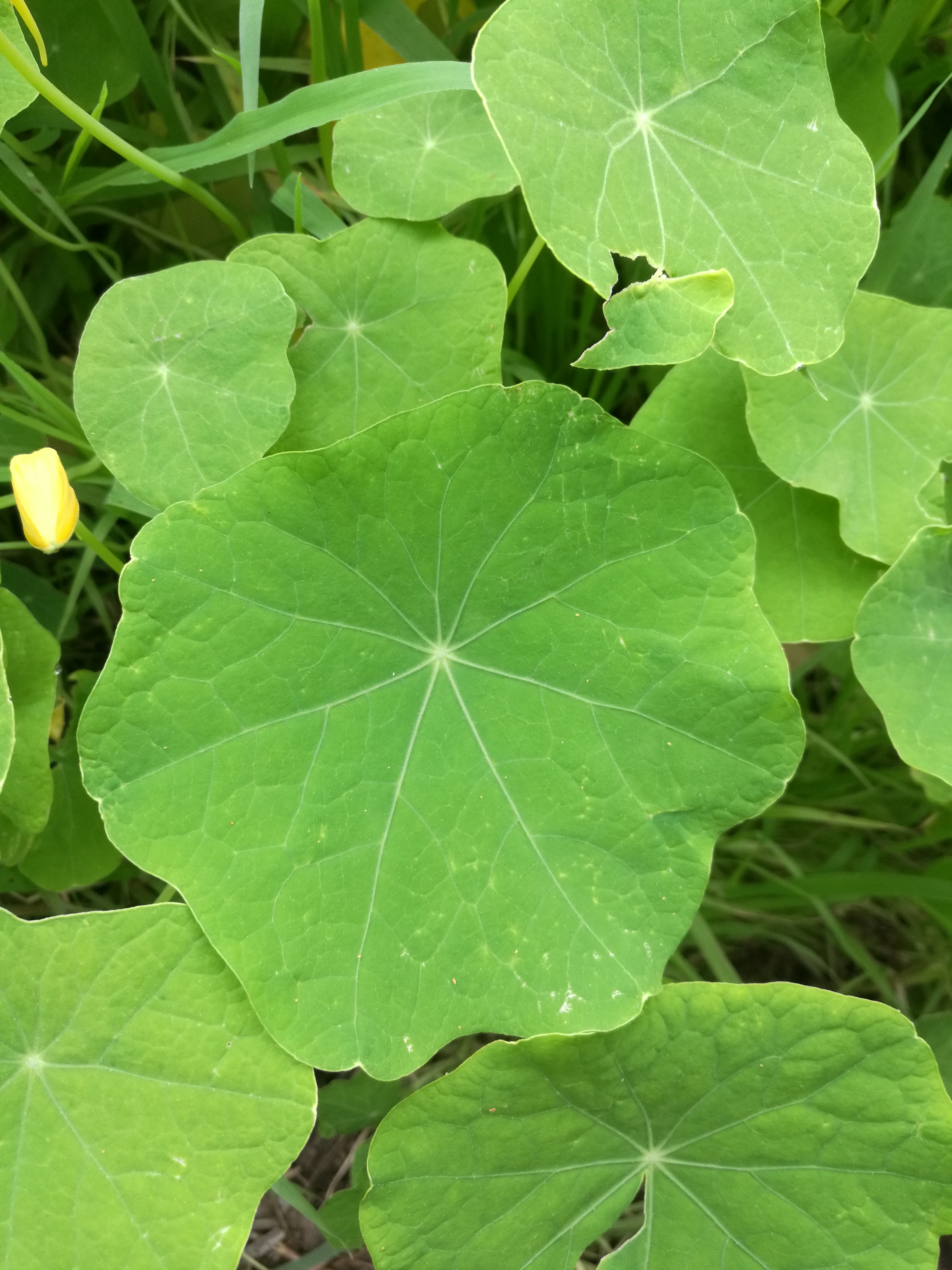
Nasturtiums (Tropaeolum majus) are short lived perennials that are usually treated as annuals. They’re here from mid -winter to mid-summer but in some, sheltered areas, all year. Masses of trailing, climbing, Nasturtiums cover the banks of our local creeks at the end of Winter, all the way through until early Summer when the heat dries them out. Their bright yellow, red and orange trumpet shaped flowers cheer up walkers and gardeners alike. There are many colours in the flowers and you can see quite a variation as you walk along a creekside. The flowers are so bright and varied in colouration that you wouldn’t think that Nasturtiums are a relative of the humble Cabbage. Nasturtium leaves can be around 12 cm in larger specimens and are borne on long stems.

Medicinal uses
Their bright flowers and round green leaves have other properties besides their taste that are beneficial to us at this time of year, with winter colds all around. It’s good for bronchial types of flu and ‘itis’. Taken at the onset of a cold, their vitamin C and mustard oil can stop a cold in its tracks. They are useful later too in clearing out congestion as the cold progresses.
Vitamin C and Mustard oil make Nasturtiums valuable allies as both internal and external antifungal and antibiotics, especially for minor cuts and scrapes. The juice from crushed seeds makes an excellent anti-fungal and the crushed leaves can help with the itchiness associated with many skin complaints. It contains a compound called Spilanthol which penetrates the skin easily and has anaesthetic properties.. If you add a good nutritional profile which contains vitamins A, C, K, B6 and B9 plus manganese, calcium, potassium, phosphorus, zinc and iron and you can see that they are a seasonal boost to our immune system.
Technically, Nasturtiums contain glucotropaeolin, which is converted into the Mustard oils.
I like to crush up a few leaves and press them against aching joints. The juice gets in and the oil helps increase local circulation. This increase in local circulation is the reason for Nasturtium’s other traditional use. Rubbing an extract of the leaves has been used for centuries as a cure for baldness. Of course, only some kinds of baldness will respond to it, but it may be fun to see your bald friends walking around with Nasturtium leaves on their heads on your recommendation.
It is interesting that Nasturtiums have an affinity for the urinary tract and can be used for infections and inflammations in this area. It can also be suggested for yeast and fungal infections in that area. They are an emmenagogue too, so they can regulate or improve periods that are causing trouble.
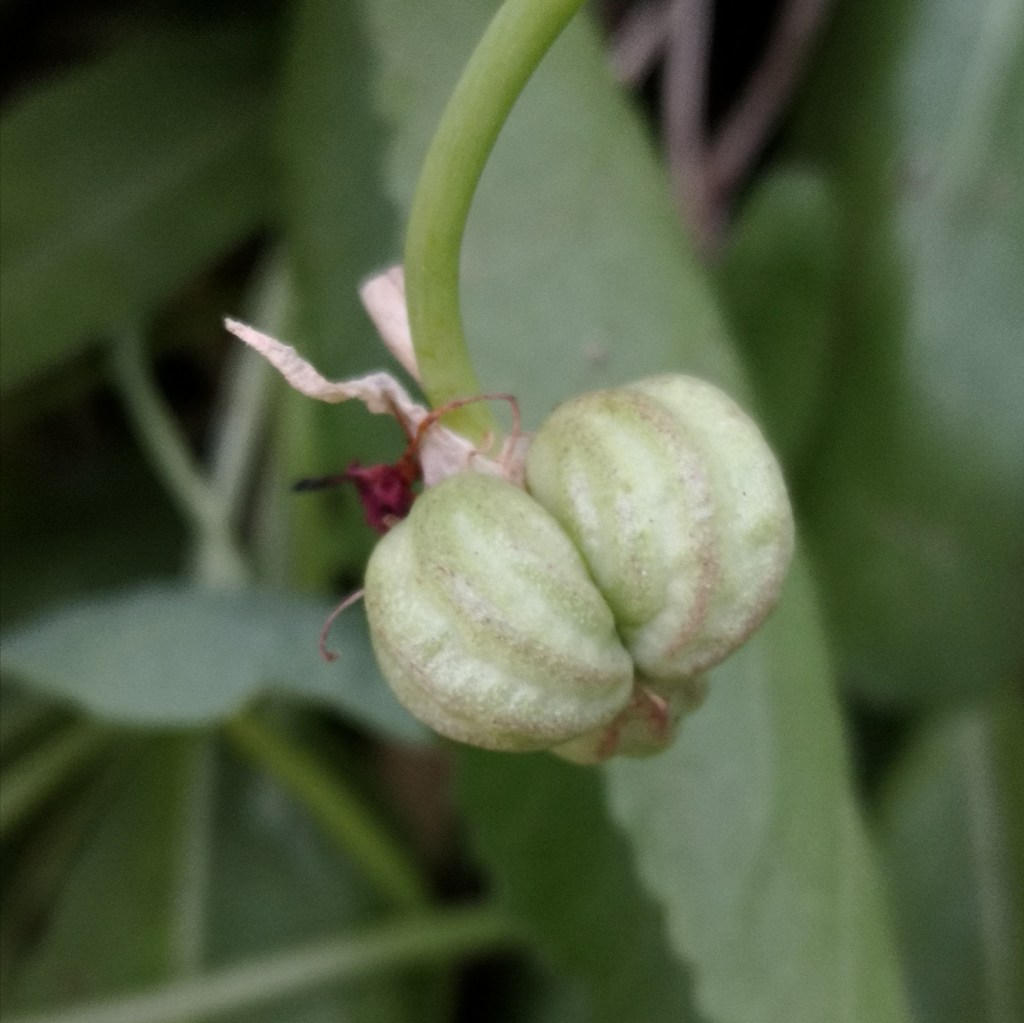
The dry, ripe, buds have a laxative effect too. Every part of a Nasturtium is useful!
So for something to warm you up and clean you out at the end of winter, Nasturtiums are the go. Don’t confuse them with Watercress, which has the same genus name ‘Nasturtium‘ as the common name of Nasturtiums. Mixing the two up in a meal won’t hurt though, they share many common benefits for our health.
Preparing and using Nasturtiums

You can eat every part of the Nasturtium, right off the bat. Chewing fresh leaves, flowers or seed pods is an excellent way to clear congested nasal passages while getting a good dose of vitamin C and other nutrients. Lots of folks like to add the pungent bite of Nasturtiums to salads and sandwiches only used in salads, both leaves and flowers where they add a peppery bite to the meal.
Nasturtium seed pods are picked and pickled in Apple Cider Vinegar as a substitute for capers. In addition to that, they are known for creating a tingling, numbing sensation and also for altering the taste of some foods.
Chew on fresh leaves or flowers for their decongestant effect on respiratory passages, hold the chewed material on the site of toothaches and gum problems for the anti-microbial and anaesthetic effect.
A succus of the fresh plant may be added to food or applied directly to affected areas.
An infusion of flowers and leaves can be taken to boost immunity and clear congested airways and a tea made from the seeds can be used to relieve constipation.
Decoctions have been used for skin conditions. A wash, poultice or compress can be made from the infusion, then applied as necessary. This is the traditional way of treating baldness and dandruff.
Eating too much of any part of Nasturtiums can upset your stomach and give you the trots. That’s why they’re listed as being useful for constipation but there are better herbs to use for this purpose.


Other herb pages on Ligaya Garden
We cover a lot of ground on many herb related topics here on our website. There are whole pages devoted to different topics as well as frequent posts. Some of the links are –