Common names: Soursob, Soursop, Cape Sorrel, English Weed, Nickender Sauerklee, African wood-sorrel, Buttercup oxalis, Bermuda buttercup, Sourgrass, Agrios, Oxalis pied de ch` evre, Nodding Oxalis
Don’t confuse it with Soursop (Annona muricata ), which is a tropical tree.
Taxonomic name: Oxalis pes-capre
Family: Oxalidaceae
Related herbs: Creeping Woodsorrel (O. corniculata), Purple Woodsorrel (O. purpurea)
Area of origin: South Africa
Parts used: flowers, leaves, tubers
Can be used medicinally for: managing blood sugar levels, oral wounds and infections, tapeworms, scurvy, homeopathically ( dry cough, bronchitis, hay fever, inflamed throat and allergic eczema), kidney stones (!), biliary colic, poor digestion, gastrointestinal cramps, inflamed skin conditions
Healing Actions: antioxidant, anti-inflammatory, antidiabetic, antimicrobial, antifungal, vermifuge, scorbutic, liver tonic, antilithic,
Taste: sour
Energetics: cooling
Tissue states: heat/excitation,
Organ/System affinities: nervous, digestive, skin, kidneys, liver
Healing constituents: polyphenols and derivatives (inc. homoorientin, orientin, and vitexin) ,phenolic acids. flavonoids (inc. luteolin and apigenin derivatives (inc. homoorientin), iron, zinc, calcium, potassium, sodium, magnesium, manganese, vitamin C, essential and non-essential amino acids (linoleic acid, α-linolenic acid), terpenes (inc. linalool, α-terpineol, β-caryophyllene, β-farnesene, humulene, nerolidol), aldehydes (inc. 3-methyl butanal, nonanal), esters, carboxylic acids, diisoamyl ether, fructose, sucrose, carbohydrates, protein
Contraindications and warnings: contains Oxalic acid, so should be used with caution by those sensitive to it or with kidney disease, rheumatism or gout. Excessive amounts can lead to gastric issues including diarrhea and nausea. Mouth and throat irritation.
Drug/herb interactions:
Description

Don’t confuse our SoursoBs with the tropical trees – SoursoPs which have been touted for their cancer killing powers.
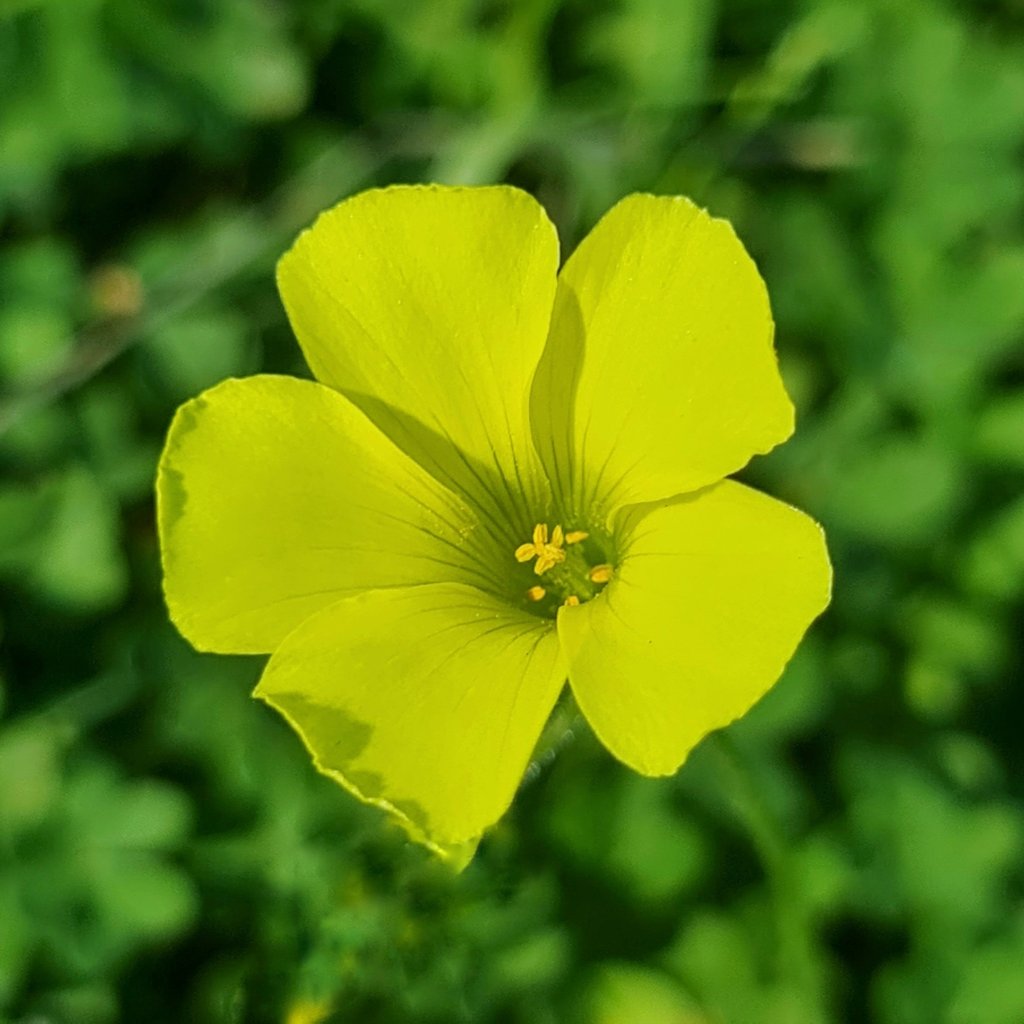
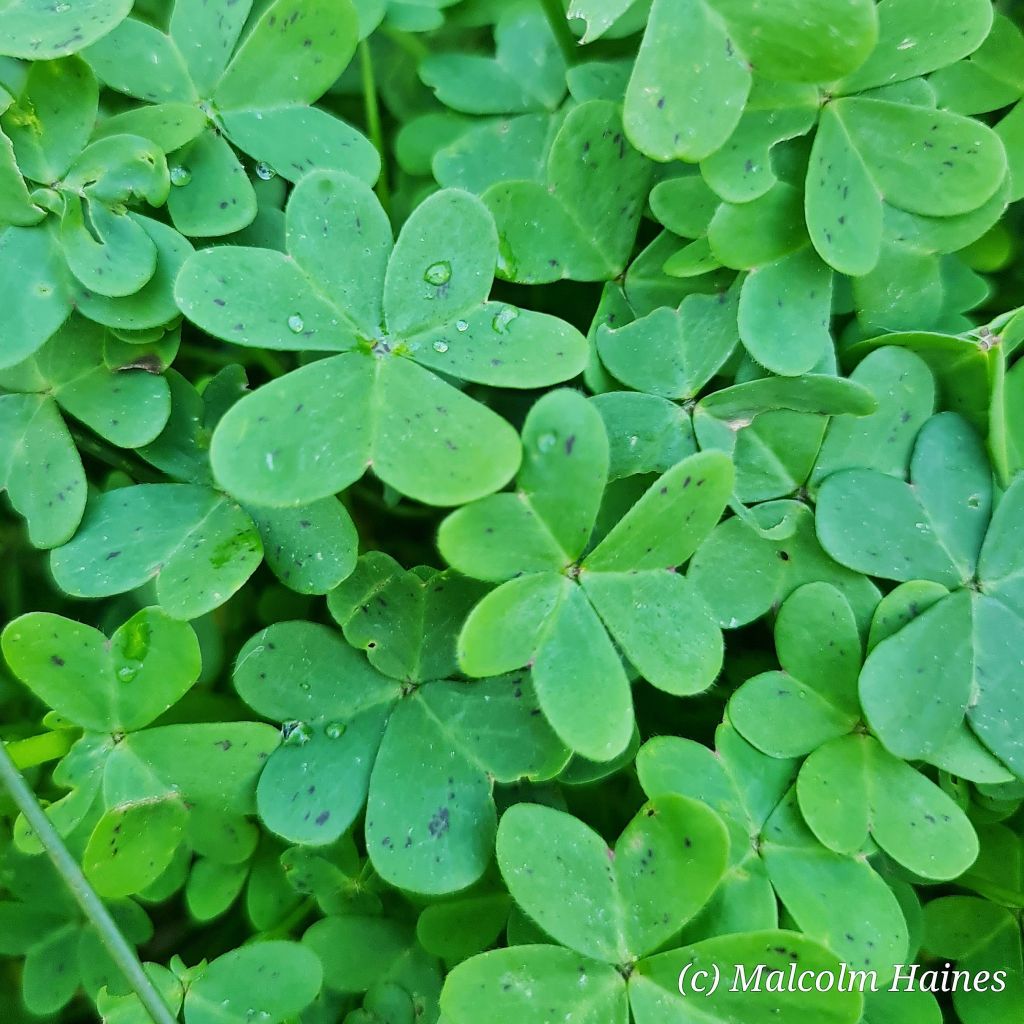
Above ground, the flowers are bright yellow and have 5 petals and are born in clusters at the end of long, erect stalks. Flowers are funnel shaped and have a tendency to hang as they mature (pendulous). Smooth leaves have green leaflets, sometimes spotted with purple and are on long stalks (petioles) The leaves have small hairs along their edges and fold closed at night.
Stems are juicy and solid, arising from the base of the plant. Apparently, there are 3 different types of stems but I’ve not been able to sort out any differences.
The tuber can be up to 4-5 cm long and is succulent and translucent, The little bulbs are pointed and easily dislodged. The root of a Soursob contracts when the plant is damaged, pulling further into the soil and dislodging the bulbs. That means the more you dig up your soursobs, or just pull off the crown as most people do, the more you spread the bulbs. That equals more soursobs!

Medicinal use
There wasn’t anything in my herb books that I could use to update the original entries on this page, so I went online. None of the traditional uses that I knew of were new to me but identifying the constituents in Soursobs opened my eyes as to how they worked.
For all that its is as a pest, the humble Soursob is a powerhouse of healing power. Take a look at the ‘healing constituents’ section above and you’ll see a surprising amount of medicinal constituents. Those are only the ones I recognised and understood! There are many more that look like just a random string of hyphenated numbers and letters but I’ve only included those that I know have healing properties. Most of the medicinal effects seem to have been found in methanolic extractions in labs but we poor kitchen herbalists don’t want to use methanol because, for us, its toxic. Give me good old ethanol any day! Luckily, many of the constituents can be extracted in water, or moderate concentrations of ethanol (aka Vodka) so we should be fine.
All parts of the Soursob contain oxalates, so caution should be used and eating large quantities should be avoided by everyone, especially people sensitive to these compounds or people with kidney disease. You may not taste oxalates in the below ground parts but they’re there, just not as obvious in the above ground parts.
Soursob tubers and bulbs can be used as a food. The bulbs have also been used to expel tapeworms.
The flowers contain most of the antioxidants, especially flavonoids (‘flavum’ means yellow in Latin), especially luteolin (‘luteus’ means yellow too!), so when you see a yellow flower, odds are that it contains some potent antioxidants (but just go eating every yellow flower, check to make sure the plant is edible first). If you’ve read our pages on other yellow flowered plants such as Dandelions, Catsear and Common Sow Thistle, you’ll know how important these potent antioxidants are for cardiovascular, nervous system and eye health. If you haven’t read them, take a look.
Omega 6 fatty acid (linoleic acid) is found in the flowers and Omega 3 essential fatty acid (a-linoleic acid) is found in the leaves. Both are essential for our bodies but use with caution because of the oxalate content of the plant. The occasional nibble or a bit on a salad or sandwich is OK for most people though, I frequently nibble on the flowers when walking.
Externally, a poultice of the leaves and flowers. can be used for inflamed skin conditions such as eczema, especially
Preparing and using Soursobs
The tuberous roots are sweet and moist, the bulbs nutty and cooked, they taste like water chestnuts. Soursobs are a delight to children, the levels of Oxalic acid in their stems and leaves have made many a young face pucker over the years. They get their name from this sourness. Most of the oxalates are found in the stem.
There are health concerns about consuming high levels of oxalic acid. Oxalicacidinfo.com has some great info on Oxalic acid in the diet. Eatthatweed has some good info on foraging for plants with high Oxalic acid levels.
I like to nibble on bulbs and tubers as I dig them up in our garden. The bulbils have a nutty taste while the tubers, eaten fresh, are moist and cooling and the underground lateral runners have been boiled in milk as a food. I haven’t tried the last one, eschewing milk products except for yoghurt (and the occasional, very nice, cheese).
Flowers and leaves can be added in small to moderate amounts to salads, sandwiches or just nibble raw as you walk.
Crush up leaves and flowers and apply them to itchy, red skin.
Make a mild infusion from the above ground parts of the plant

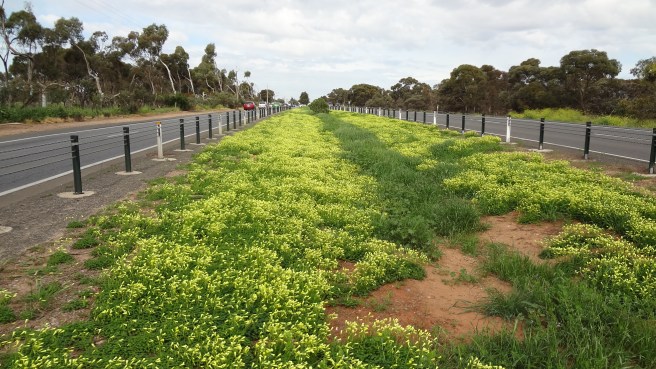
Every year I have a big garden pot of Soursobs on the go. It makes it easier and cleaner to harvest. I just tip the pot out. When I’m replacing the potting mix, I sprinkle a handful of bulbs back in and that takes care of next year’s crop. They survive well on the natural rainfall, plus the occasional sprinkle, need no fertilizer (adding fertilizer makes the crown and leaves grow much more, at the expense of the roots). Doing this also means that I disturb the spoil in the garden less, that reduces the spread of Soursobs.
One of the best ways that I’ve found, to control this plant in the garden is to spread recently dug soil over a small area, exposing the bulbs. The birds will do most of the work for you. You’ll never get rid of them, so natural control and making friends with them are the best ways to go.
A good paper on Soursobs –
Other herb pages on Ligaya Garden
We cover a lot of ground on many herb related topics here on our website. There are whole pages devoted to different topics as well as frequent posts. Some of the links are –