Common names: Prickly Lettuce, Wild Lettuce, Milk Thistle, Compass Plant, Wild Opium, Opium Plant, Wild Ibuprofen.
Taxonomic name: Lactuca serriola
Family: Asteraceae
Related herbs: Lettuces, Thistles
Area of origin: Eurasia, Africa
Can be used medicinally for: inducing sleep, insomnia, relieving pain in general, stimulating digestion, spasmodic coughs, colic pains in intestine and uterus (dysmenorrhea), muscular arthritic pain, rheumatism, cramps, poor digestion
Parts used: all of the plant
Healing Actions: nervine, soporific, expectorant, demulcent,, laxative, sedative, hypnotic, narcotic, soporific, nervine, anaphrodisiac, liver tonic, diaphoretic, diuretic, hypotensive, analgesic, depressant, antitussive, antispasmodic
Taste: bitter, acrid, moist
Energetics: cooling, moistening, dispersing
Tissue states: constriction, depression, excitation
Organ/System affinities: liver, gall bladder, reproductive system, nervous system, digestive system. Liver, Gallbladder, Large Intestine
Healing constituents: Acids (mallic, citric, oxalic), alkaloids, sesquiterpene lactones (lactucin, lactulone, lactupicrin, lactucic acid), flavonoids (quercitin, apigenin, luteolin), coumarins ( cichoriin, aesculin), trace opiates, terpinoid bitters, resins, hyoscyamine (note, these are the constituent in the closely related L. virosa, Many are in L. seriolla but I’m still confirming them. As the plants are used in exactly the same way, this should be a safe list)
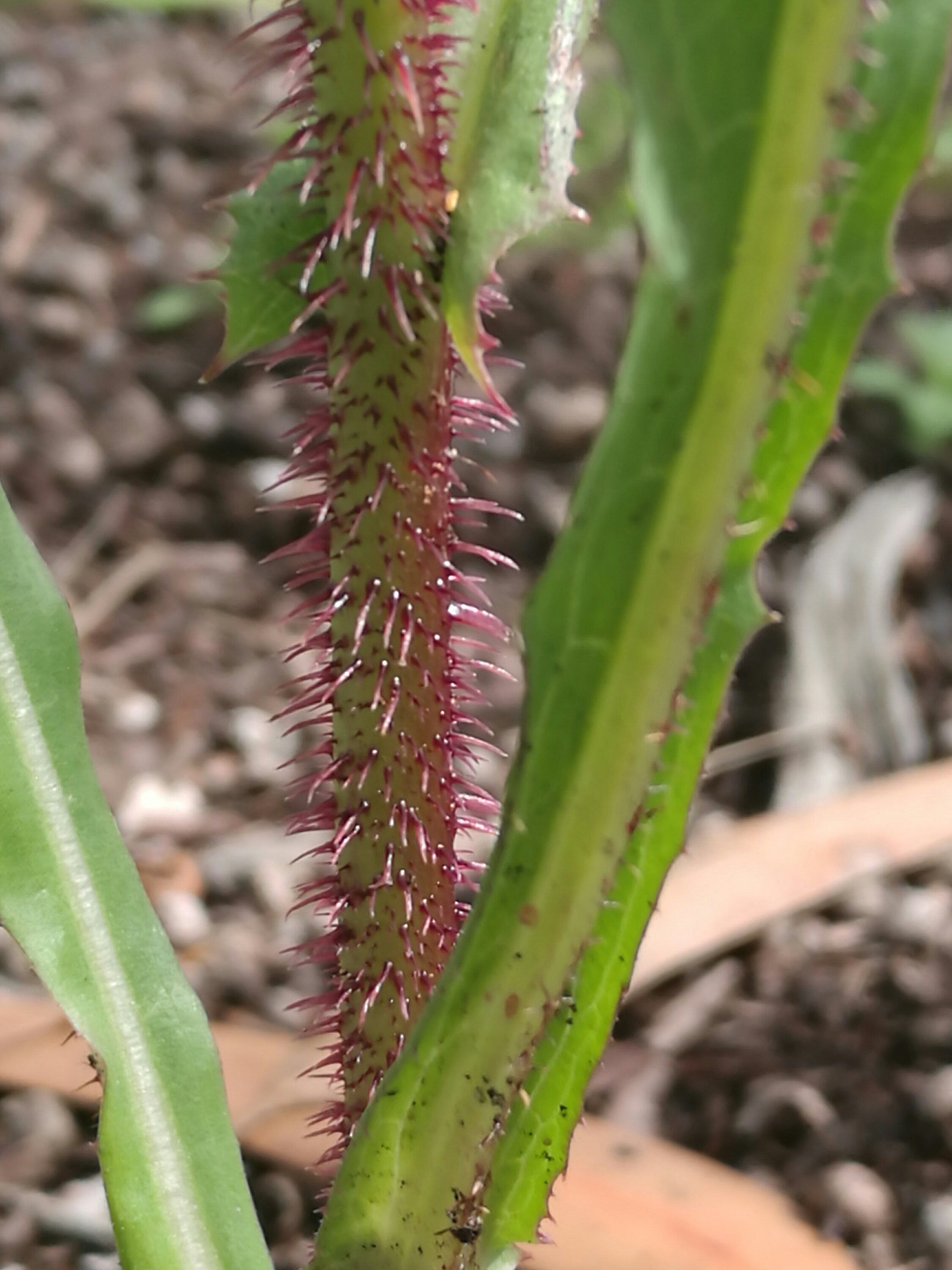
Contraindications and warnings: It’s very prickly! Wear gloves when harvesting.
Prickly Lettuce is only for short term use. Taking too much can give you diarrhoea. You may oversleep or sleep through your alarm after taking tea or tincture before bedtime! Caution if using with other sedating medicines, including alpha-blockers, anesthetics, analgesics, tricyclic antidepressants, antiemetics, antiepileptics, beta-blockers, and hypnotics as it can magnify their sedating effects.
May cause reactions in folks allergic to the Asteraceae family of plants.
Very high dosages can suppress breathing, cause stupor or even death. Those doses need to be very high but if it’s interacting with an existing drug, a lower dose cause the negative effects.
Drug/herb interactions:
Description
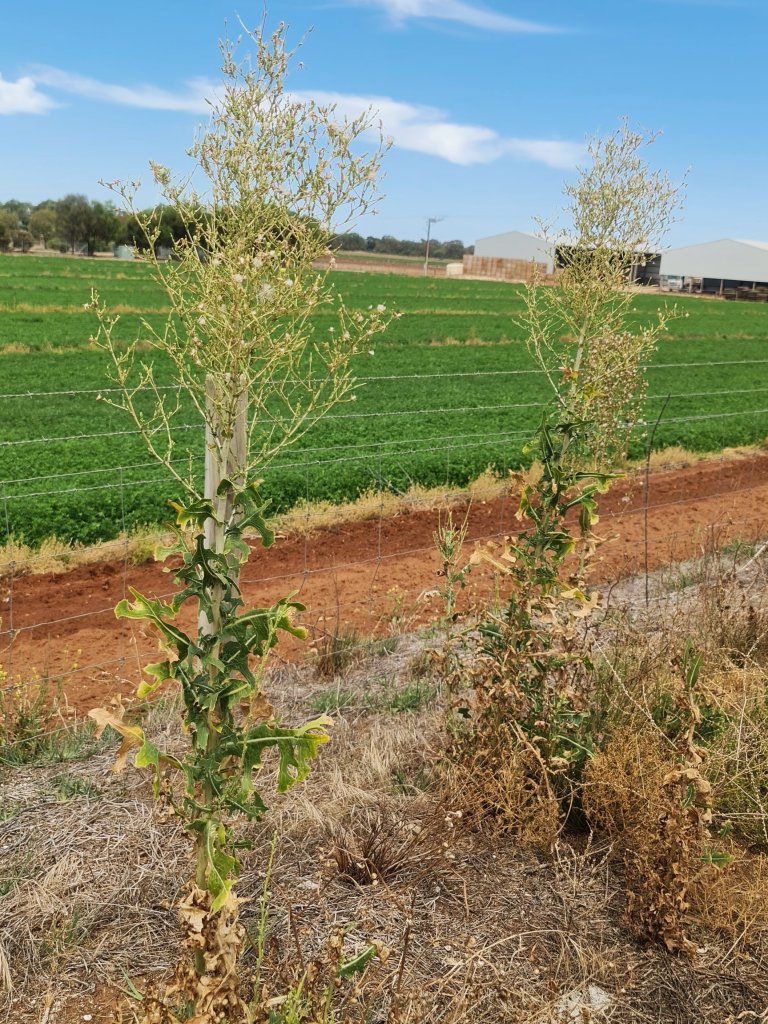
Prickly Lettuce is easy to identify, even amongst the other thistles that often grow around it. The flat leaves are held upright and along their central spine is a row of prickles that give it its other common name ‘Prickly Lettuce’. Usually it grows to a little over a metre in this area but this year, I saw some that easily tripled that!
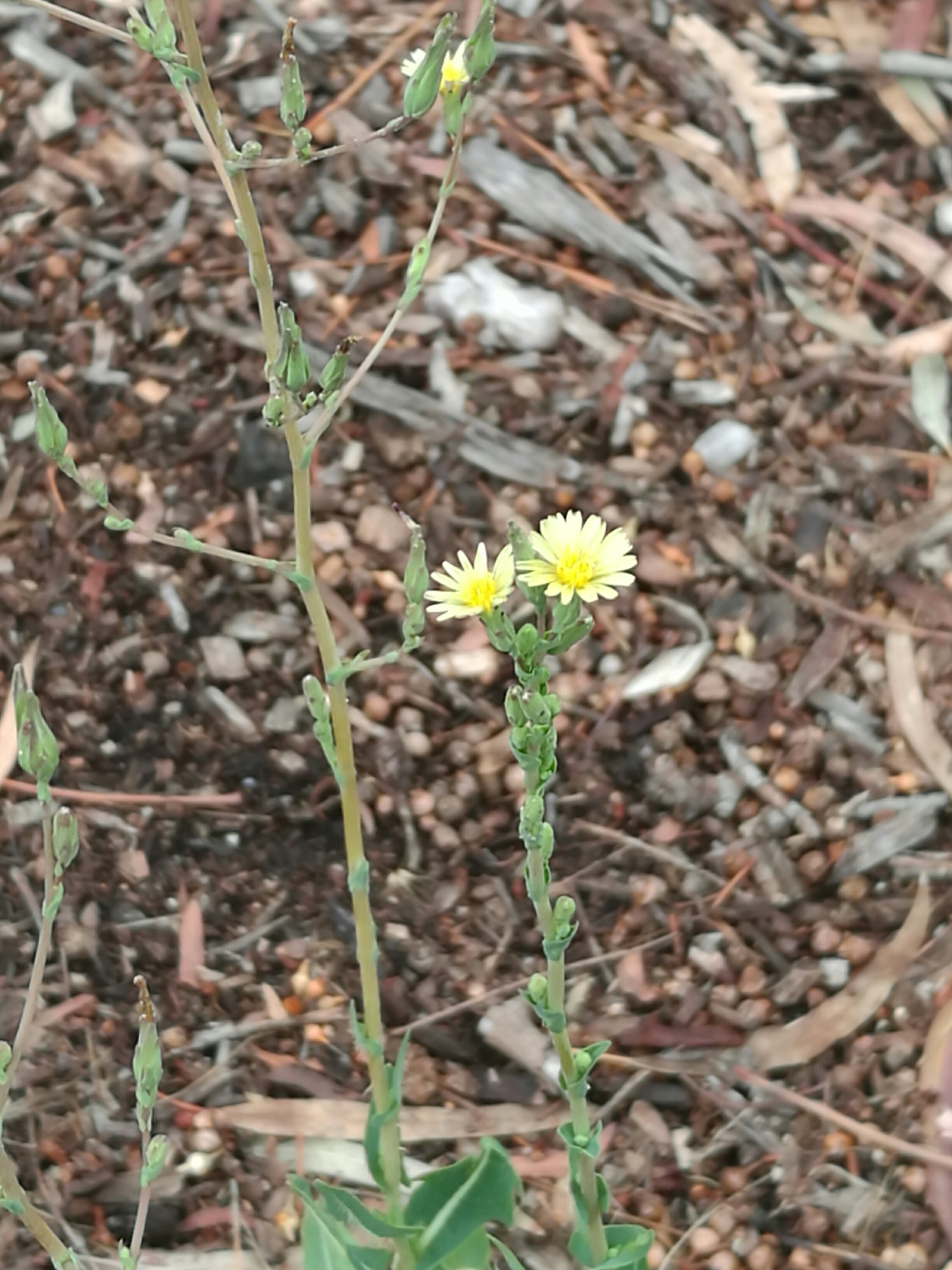
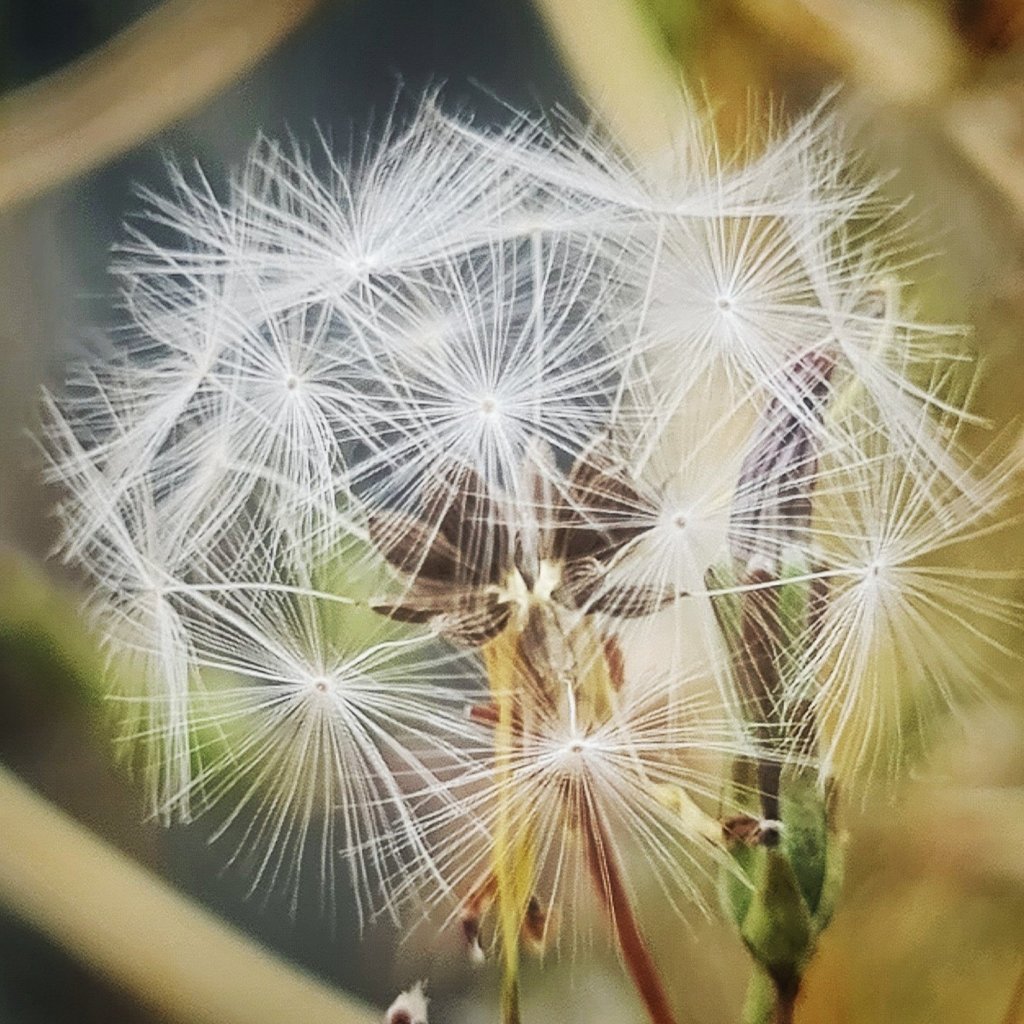
It is an annual or possibly biennial weed (I’m seeing the latter dominate over the last couple of years). Alternate, wide, flat leaves with toothed margins. Lower leaves are much larger than stem leaves. Bright yellow flowers are borne above the leaves and form the ‘dandelion’ like seed heads that are characteristic of its family, Asteraceae.
All parts of the plant exude a white sap when damaged. The sap is very bitter.
Medicinal use

In many herbal works, monographs and papers, Prickly Lettuce is often lumped in with Wild Lettuce (L. virosa) when it comes to medicinal properties. That may well be the case, but I believe that every plant is an individual and every species has their own, maybe undiscovered, healing properties. Because of that, I’ve only listed the properties that I’ve found that are specific to Prickly Lettuce (L. serriola)
Prickly Lettuce (Lactuca serriola) is the first herb that comes to my mind when I think of pain. It is such a good painkiller that it has a reputation for containing opiates which it doesn’t in any appreciable amount (trace opiates are listed in the constituents section of some but not all herbals). It’s called ‘Wild Opium’ or ‘Wild Ibuprofen’ in some circles and works as well as many over the counter pain relievers. It’s one of the few herbs that are used to directly kill pain, others relieve it through other actions such as relieving inflammation and congestion in the affected area.
As with a few of the herbs we have in Australia, ours isn’t the herb of the same name in the Northern hemisphere, that one, in this case is Lactuca virosa. Herbally, there doesn’t seem to be a lot of difference for our kitchen herbalist purposes (see above).
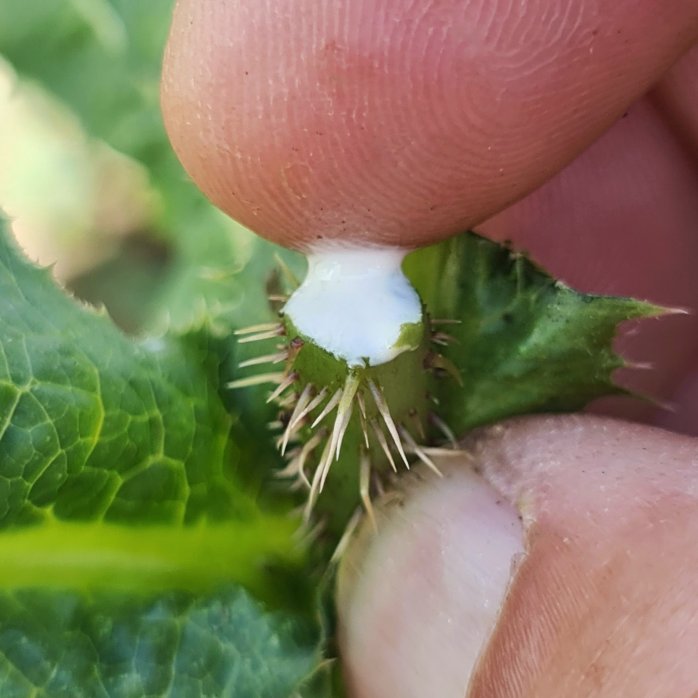
As with most other thistles, Prickly Lettuce leaves and stems contain a bitter, white sap, called ‘Lactucarium’. This is where all the goodness is. Bitters stimulate a lot of processes throughout the body, not the least being the secretion of gastric fluids to help digestion, giving energy and fire to sluggish conditions. It is a dispersing plant, energetically and well suited to pain caused by tight, almost frozen muscles, especially in the chest where it helps to disperse that rigidity. In this sense, too, it is an antispasmodic, relieving the tension of the spasms such as in spasmodic coughing fits.
The most interesting components of the sap are two bitter chemicals, lactucin and lactucopicrin. They are bitter substances that act on the central nervous system, producing pain-relieving and sedative effects. Personal experimentation has shown that a tincture of it is quite effective for minor aches and pain and to induce sleep. A tea brewed from the dried leaves works well to relieve pain too and induces a good night’s sleep but be careful, though and make sure that you set an alarm in the morning – you could sleep in!
The sedative qualities of Prickly Lettuce contribute to its anaphrodisiac (the opposite of aphrodisiac) qualities as it makes you too relaxed and sleepy to be interested. The muscle relaxing qualities contribute to this as well.
American herbalist, Matthew Wood, recommends using Wild Lettuce as a remedy for negative thinking, for the type of person who sits and thinks the worst before it happens, who are robbed of motivation by this kind of thinking. I can see this in its physical form, its ‘signature’. The leaves are upright and the plant leads the eye to its bright yellow flower, but to get there, you need to get past lots of prickles and a very vertical form. just like the kind of prickles in life and hard climb that the Wild Lettuce type of person needs motivation to overcome. The taste is bitter, something that many folks shy away from – another test to overcome before realising that life isn’t all struggle, but that many struggles do need overcoming in order to experience joy.
As a very bitter herb, it is suited to all kinds of digestive issues, especially those that relate to the liver and gallbladder (which, I think is most of them). Prickly Lettuce is recommended for short term use only, after which a formulation of other herbs suited to the condition is suggested. Too much liver and gallbladder stimulation can lead to diarrhea because bile is the key lubricant in the intestine.
Many bitter plants are both digestive tonics and emmenagogues too and Prickly Lettuce seems to fit the bill. I haven’t used it yet for the latter, but can swear by the first. I wonder what the link between liver and uterus is? Something more to learn.

Preparing and using Prickly Lettuce
Harvest Prickly Lettuce just when the flower heads are forming but before flowering. That’s when the sap is at its bitterest and most potent and easiest to harvest from the soft new growth.. It can be a biennial weed so in your area, you may get two shots at harvesting! Frequently, if you damage the main stem, others will shoot, lower down, giving you more but I’ve not found this to be the case 100% of the time. I use all of the above ground parts and if the roots come up and are easily washed, I use them too.
Some folks on the internet recommend only using the leaves but there is so much of the good stuff in the stems that it is a shame to waste them.
If you’re in a hurry, just pull off a few leaves or flower buds and chew away. It tastes bitter but is very effective.
Minor wounds can be treated with crushed leaves . Even better is to cut the stem and rub the sap over the cut. The plant has antimicrobial constituents and as the sap dries, the mucilage in it shrinks, pulling the sides of the cut together in a nice, natural bandaid.
The whole plant dries easily and if I’m feeling lazy or have collected a lot of plants (both of which are very common) , I’ll wash the plants, then hang them whole to start the drying process. It seems to work well. I don’t like to leave them until the whole plant has dried because the leaves dry much faster than the stem. A good tip is to pull the dry leaves off of the stem once they’re well wilted and continue drying the stem. Cut the stem before it’s completely dry and there’s still some give – they become very hard and can be difficult to cut if allowed to dry completely.
The classic use is to make a Prickly Lettuce decoction and reduce it all down to a thick goo. I’ve recently written a whole post about this process. Just click the link.
I like to tincture fresh Prickly Lettuce in 60% alcohol at a ratio of 1:2. Most of the constituents are alcohol soluble and there are some water soluble goodies in there too so you don’t need a very high concentration of alcohol. Being full of mostly water soluble constituents, it makes a good infusion (very bitter) or tea. . I haven’t tried it externally as an oil yet.
Traditionally (I think it is more with L. virosa), the stem was cut and the milky sap collected, then rolled around between the harvester’s fingers until a small pill formed. These pills were then collected and stored for later use.
My special combination –
Note: As mentioned in the contraindications and warnings section, Prickly Lettuce can induce a deeper sleep than required if used with existing medications or relaxant, soporific herbs.
My particular favourite formulation is one for helping folks who haven’t been able to sleep for a while due to chronic pain. It starts with equal parts of tinctures of Prickly Lettuce, Lavender and Hops and I’ve written a post about it here. It usually needs a little tweaking to suit the recipient’s particular lifestyle and biochemistry but just follow the tips in the post.
Other herb pages on Ligaya Garden
We cover a lot of ground on many herb related topics here on our website. There are whole pages devoted to different topics as well as frequent posts. Some of the links are –