Vinegar extraction is a great way to pull minerals from some scrap materials that you may have in your kitchen waste. It can also extract a little extra from some of your other composting and fertilizer efforts. It has the advantage over organic ferments because it is quick, clean and focused on inorganic compounds.
Another great thing about vinegar extracts is that they are shelf stable and can be stored for a long time.
Unlike some of the other home fertiliser-making techniques that are included on this website, the product is not alive and active; rather, these inorganic are used to feed microbes and plants at later dates.
Shelf stable?
The low pH of the vinegar 2-4, added to the general acidity of most of the ferments (my banana skin ferment measures an average of 4.3) that we cover in this website means that many of the microbes responsible for making things go ‘off’ cannot live in the extracts. Keeping the containers well sealed keeps others out, and the result is something that you can store in a shady, cool place for many months.
What can you extract?
The Acetic Acid in vinegar reacts with many inorganic compounds to help break down and extract goodies from a whole range of things.
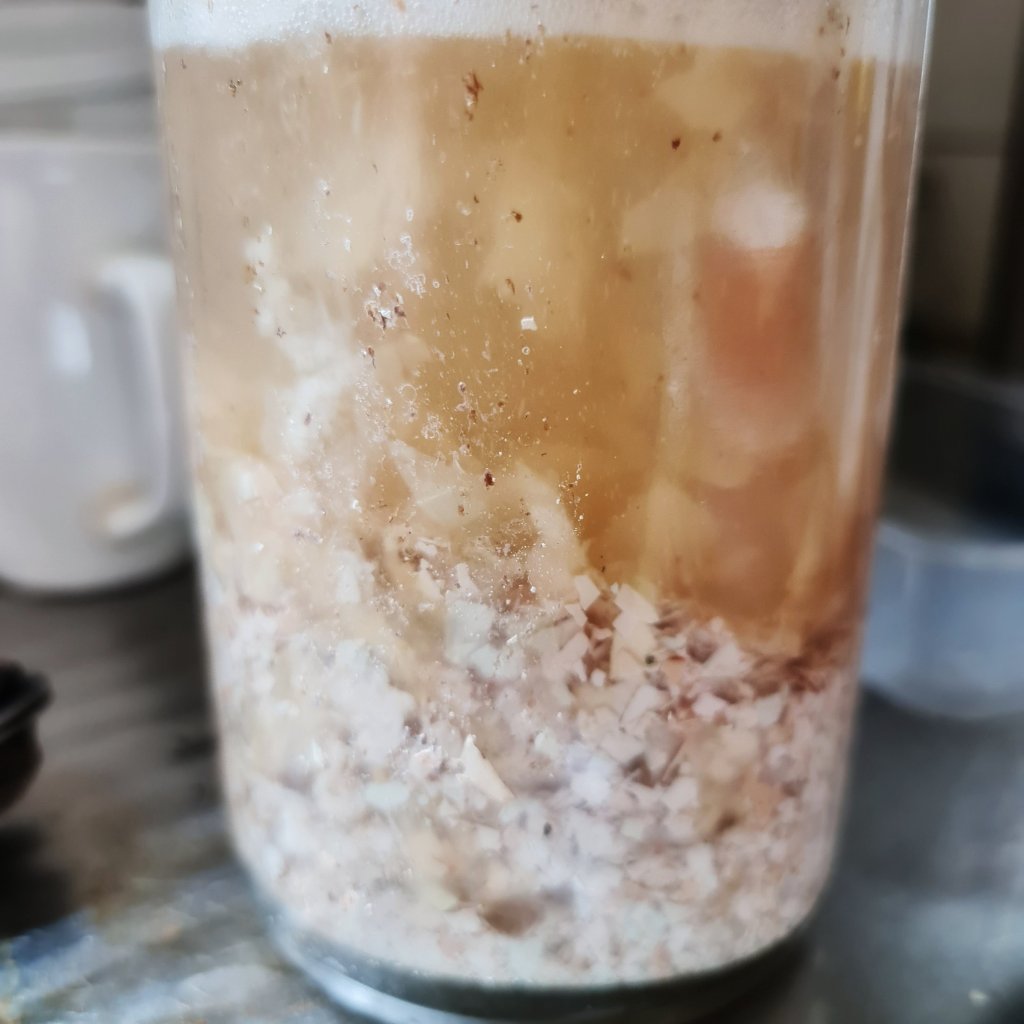
Vinegar extraction can be used to extract Calcium and Phosphorus from bones, eggs or oyster shells. You can use it to draw more goodness from the leftovers after the molasses part of fish ferment-making.
After any water extraction or ferment, you can soak the remnants in vinegar to extract even more goodness.
If you’re finding this information useful, share it with your community
Save time with some things
Vinegar is an acid solution in water (that’s why you can’t buy 100% vinegar; as such, it already contains water). I buy double-strength vinegar that is labelled as 8%. That means there is 92% water in the solution, so you can save time doing water and vinegar extractions of some things, such as bones or shells, by just using vinegar. For our gardening purposes, the compounds extracted by the acid are water-soluble, too.
How to extract with vinegar
The first step is to clean the substance to be dissolved. Remove as much meat as possible from bones and as much of the lining as possible from eggshells. Break up the material you will soak in vinegar to expose the greatest surface area to the acid.
Bake bones until they start to burn, and bake eggshells at 250 degrees for 20 minutes in an oven. You can leave the eggshells outside in full sun for a couple of days in the Aussie Summer to give a similar effect. An alternative to roasting your bones is to put them in your fire if you have one at the appropriate time of year. Another alternative way to clean your smaller bones is to put them in your worm farm for a while and let the worms do the work.
Cleaning and baking is to remove all of the organic material that could ferment when you are storing the liquid extract. It’s not a big issue, but it can be a little messy; plus, microbes take up some of the calcium, and not as much is immediately available to plants until the microbes have decomposed. It can get a little smelly too.
You don’t need to be as fussy with eggshells as you do with bones. If I’m not making an extract that will be stored, I just wash them, crush them up a bit and add the vinegar. After the second round of vinegar, the pieces of lining will float to the surface with the bubbles, and you can just skim them off.
Eggshells in vinegar will, over time, become rubbery and even gooey. That’s normal; it means that all of the inorganic material has been extracted, and just the organic matrix is left. Add that to your compost.
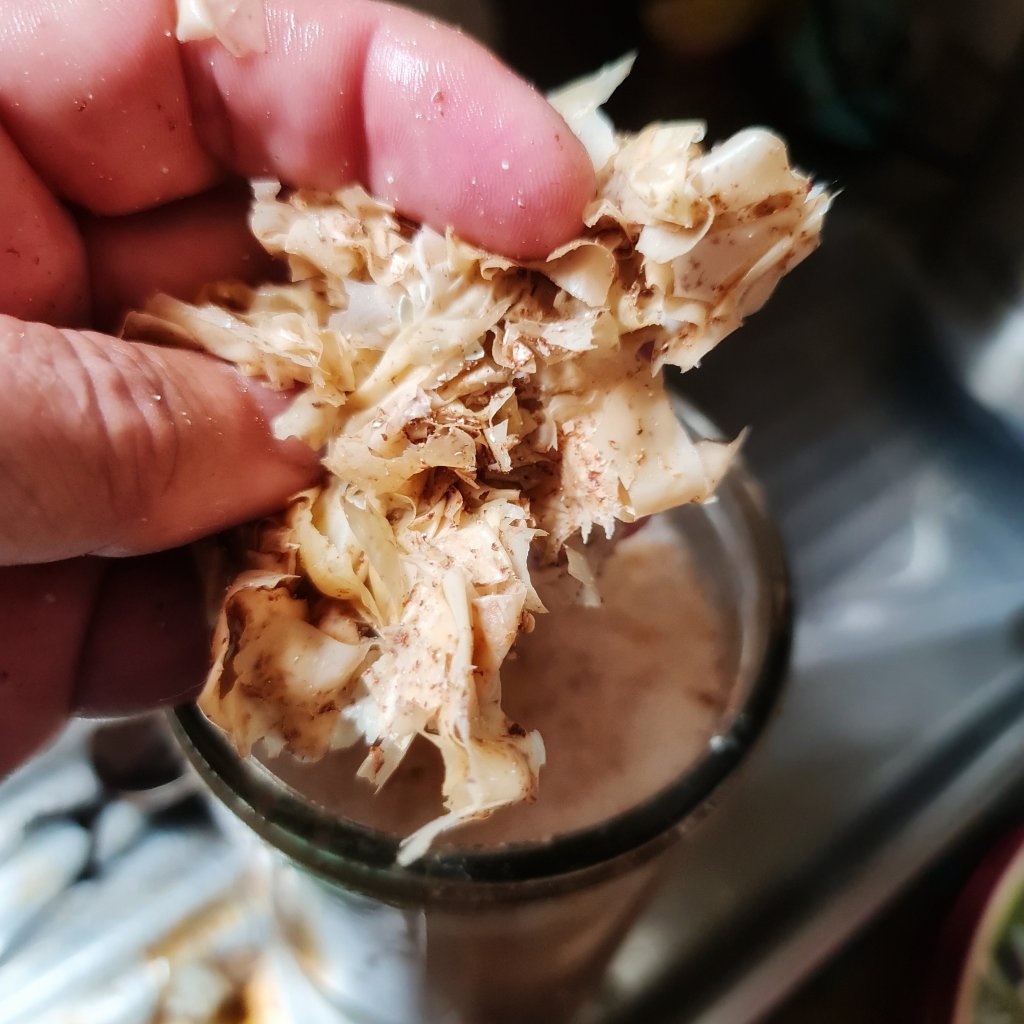
Each time you strain off the vinegar, you will have a very cloudy solution. This is millions of tiny, microscopic pieces of the eggshells that have broken off during the reaction. They are harmless but can clog spray nozzles if you use the solution as a foliar spray. The easiest way I’ve found to remove them is to filter the extract through a coffee filter. Even this won’t remove it all, but it will make what’s left fine enough to go through a hand sprayer. If you want fewer suspended particles, let the solution stand for a couple of days so that the suspended particles settle, then decant off what you can of the upper, clear layer. Your calcium is still in the solution; you are just removing particles.
The sediment still has many uses. It can be added back to your next batch of eggshells for further extraction, dried and sprinkled around the garden as a calcium supplement, added to your chook’s water or sprinkled in their food to return calcium to their systems.
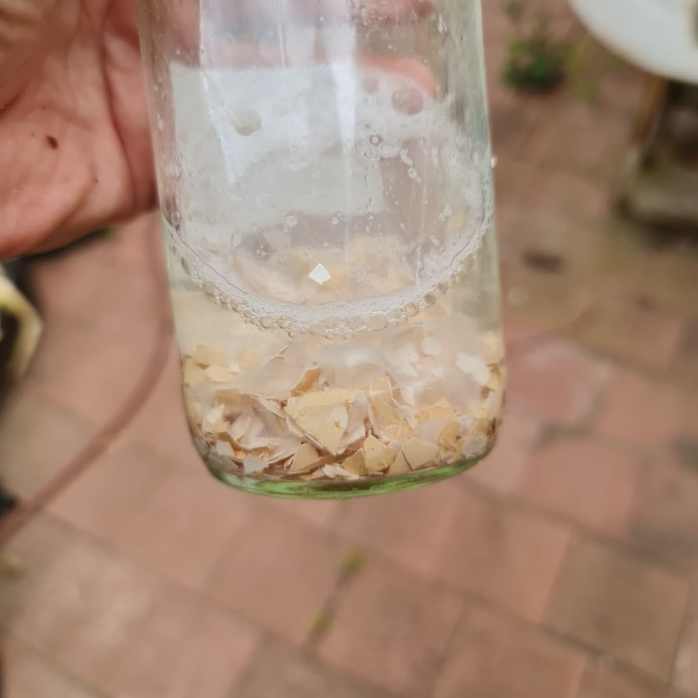
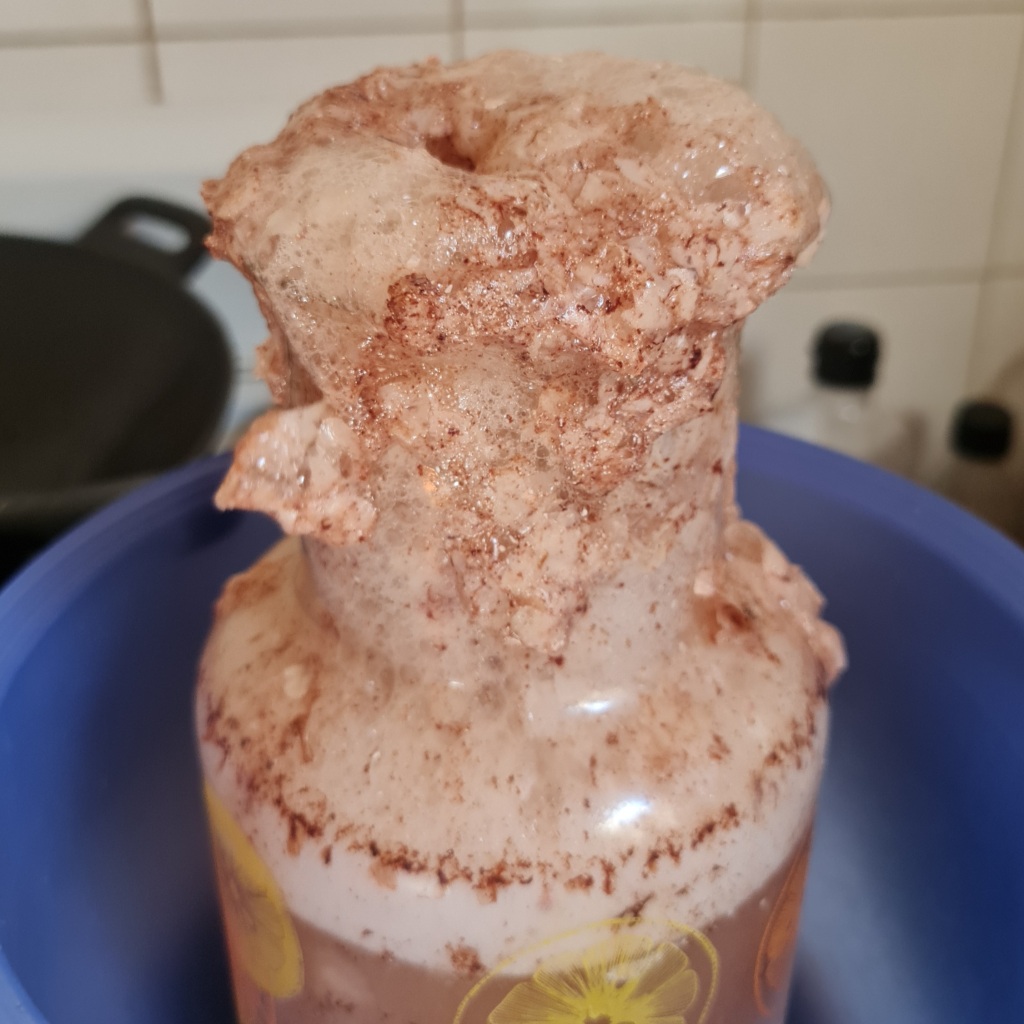
Leave it for a couple of weeks, shaking or stirring every few days to keep fresher acid in contact with the eggshell fragments.
Strain off the vinegar and replace it with more. Often, you can get 3 or 4 extractions from the materials you are extracting from. It doesn’t matter if you forget about it and let it go for longer; it will be fine. I’ve forgotten about some lots for months at a time, and they have not had any problems.
Filter your vinegar extract and either combine it with a water extract you’ve made previously or store it somewhere airtight and out of direct sunlight.
How to use the product.
Most of what is in your extract is inorganic mineral compounds, so you don’t need much. I put a tablespoonful into the watering can that I will apply. At this rate, it won’t shift the pH either.
What can I use it for?
Minerals are important to many aspects of plant health. Calcium (Ca), Phosphorus (P) and Potassium (K) are probably the major ones that we home gardeners are interested in.
Calcium is the classic preventative remedy for Blossom End Rot on our Tomatoes, but it has other uses in the garden. Calcium is important for strong cell walls; strong cell walls mean healthier plants are more resistant to disease and pest attacks.
Potassium helps with water transport into and out of plant cells. It helps plants flower and retain their flowers; it does the same for fruit.
Phosphorus is essential for making proteins, especially DNA. It has an important role in the structure of bones. Most importantly, though, it’s the basis of ATP ( Adenosine tri-phosphate), which is the source of energy for cells in all organic life.

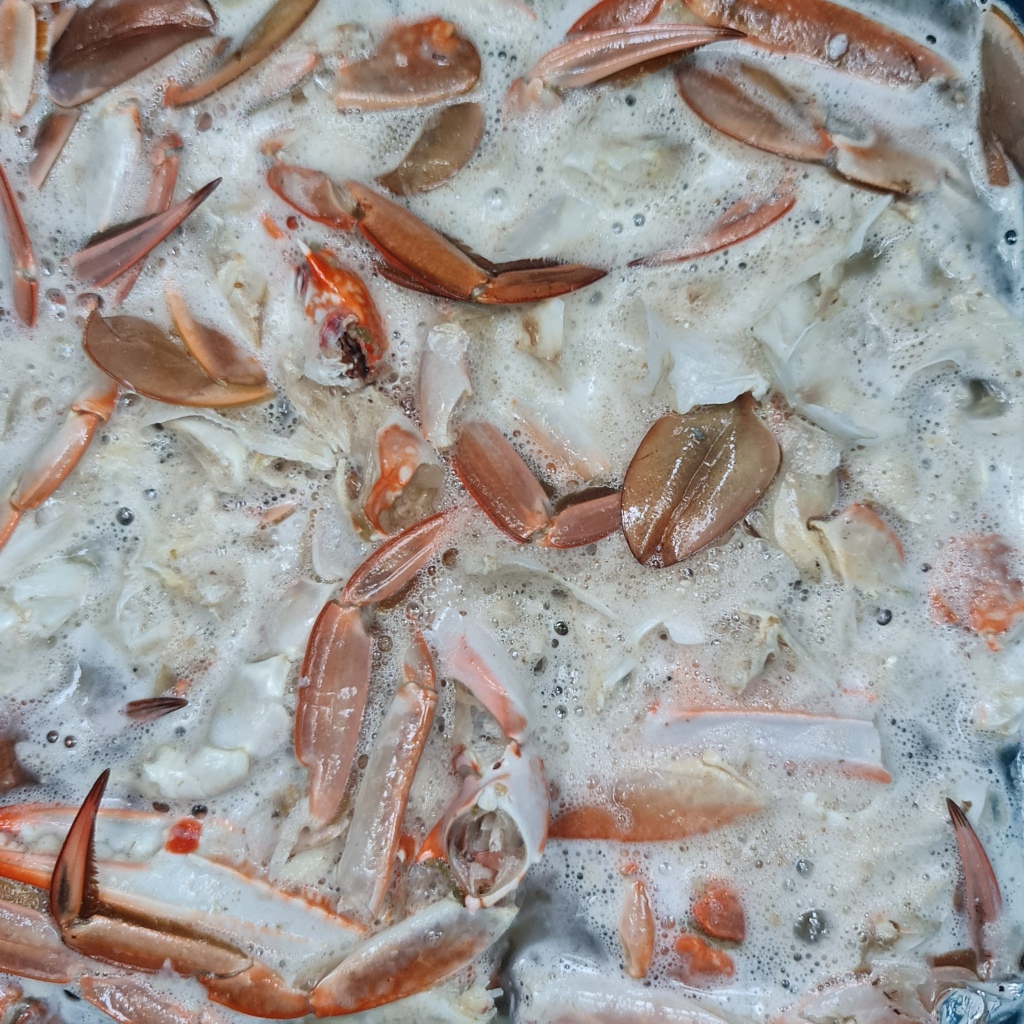
Compost and other tea leftovers
You can even extract some extra goodness from the leftovers from compost, weed, or Nettle tea! It’s the same deal; soak the organic material in vinegar for a while to get out some acid-soluble goodies that the water extraction didn’t get.
With this technique, you don’t have to leave the solute in the vinegar for very long. A week is fine. Most compost tea-making processes have some degree of fermentation involved somewhere that lowers the pH of the solution a little so that you’re already extracting some acid-soluble compounds with a natural, weak acid. Vinegar can kick it up to the next level.
Wash out your other fermenting containers with vinegar
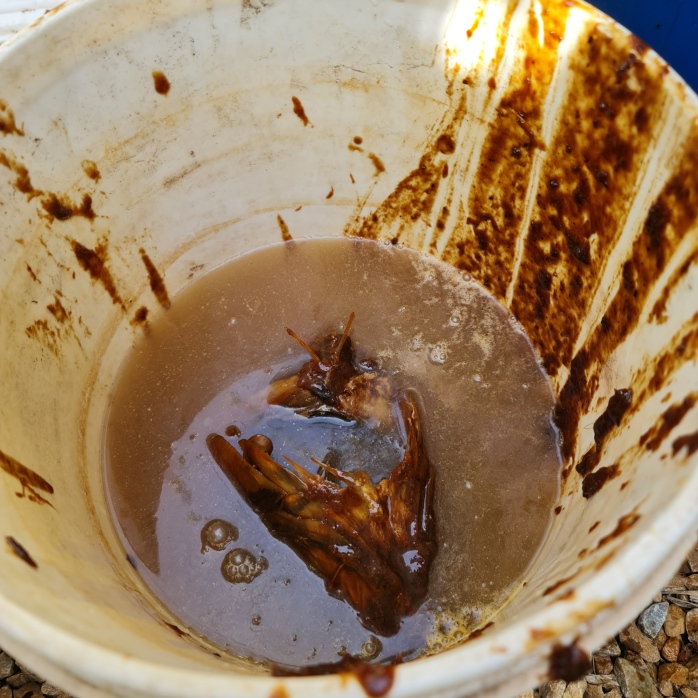
If you’ve been fermenting anything else, wash your containers with a bit of vinegar to clean them. and extract a little extra. I do this for the fermented fish extract containers that can get sticky and gooey. The vinegar cuts right through this, and the liquid can be used as an additive to the fermented fish extract itself.