Common names: Turmeric, Dilaw, Khamin, Yu jin
Taxonomic name: Curcuma longa
Family: Zingiberaceae
Related herbs: Ginger, many species and cultivars of Ginger, Galangal, Cardamom, Ginger Lily
Area of origin: Indonesia
Parts used: Rhizome, tuber, flowers
Can be used medicinally for: Putrid ulcers, rashes that need to be brought out, low grade inflammation, chronic inflammation, viral hepatitis, epigastric fullness, tense ligaments, blood stagnation, arrythmias, stuck, stagnant emotions depression, childishness, changeable sleep, gastric ulcers, confusion, seizures, manic behaviour, hypochondria, mental fatigue with confusion and restlessness
Organ/System affinities: Heart, liver, lung
Healing Actions: anti-inflammatory, antiarthritic, antioxidant, antibacterial, antifungal vulnerary, antifertility, anti-neoplastic, antidepressant, carminative, cholagogue, choleretic, hepatoprotective, lowers cholesterol, stimulates digestive enzymes, emmenagogue, anticoagulant, anti-atherosclerotic. prevents platelet aggregation, cardioprotective. antidiabetic (balances blood sugar), diuretic, antilithic, hypotensive, nootropic/neural trophorestorative,
Taste: Rhizome – bitter, spicy, warm. Tuber – bitter, pungent
Tissue states: Depression, stagnation
Energetics: Rhizome – warming, stimulating Tuber – cooling, stimulating
Healing constituents: Curcuminoids, fixed oil, volatile oil turmerone, atlantone, zingiberone), Vitamin C, sesquiterpene ketones, potassium, disaccharides (glucose, fructose, arabinose). Polysaccharides (ukonan-A, ukonan-D), valepotriates
Contraindications and warnings: Hyperacidity, ulcers from heat and irritation
Pregnancy. If you suffer from bile duct obstruction. May reduce fertility.
Drug interactions: Blood thinners. Fertility drugs
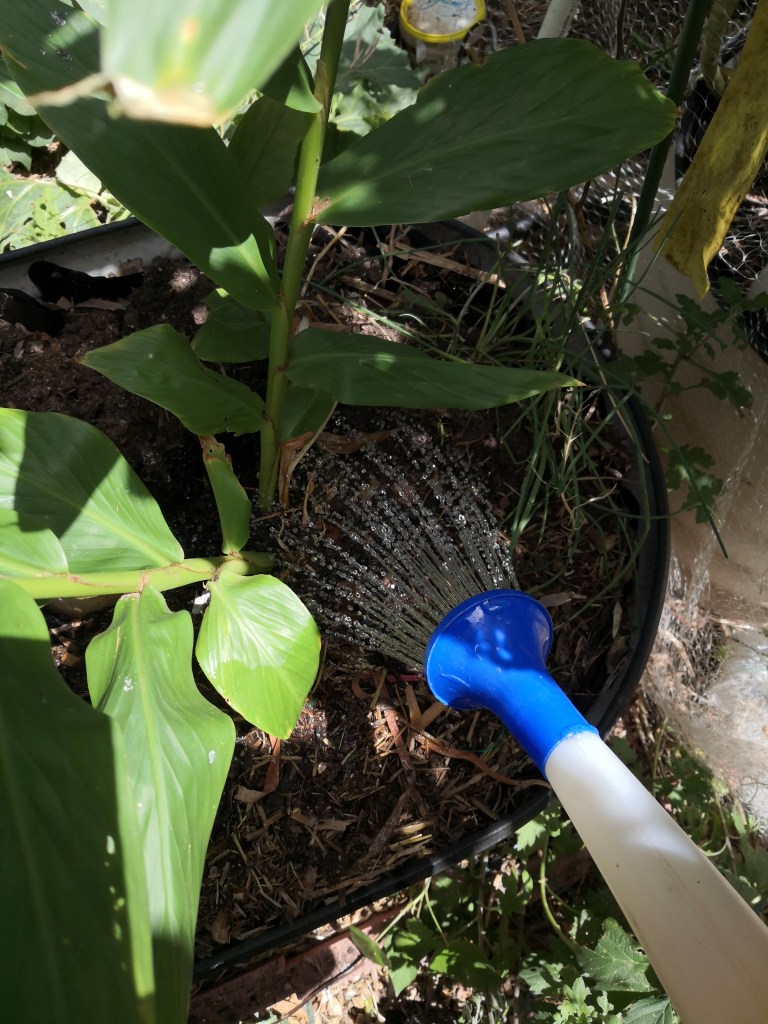
Description
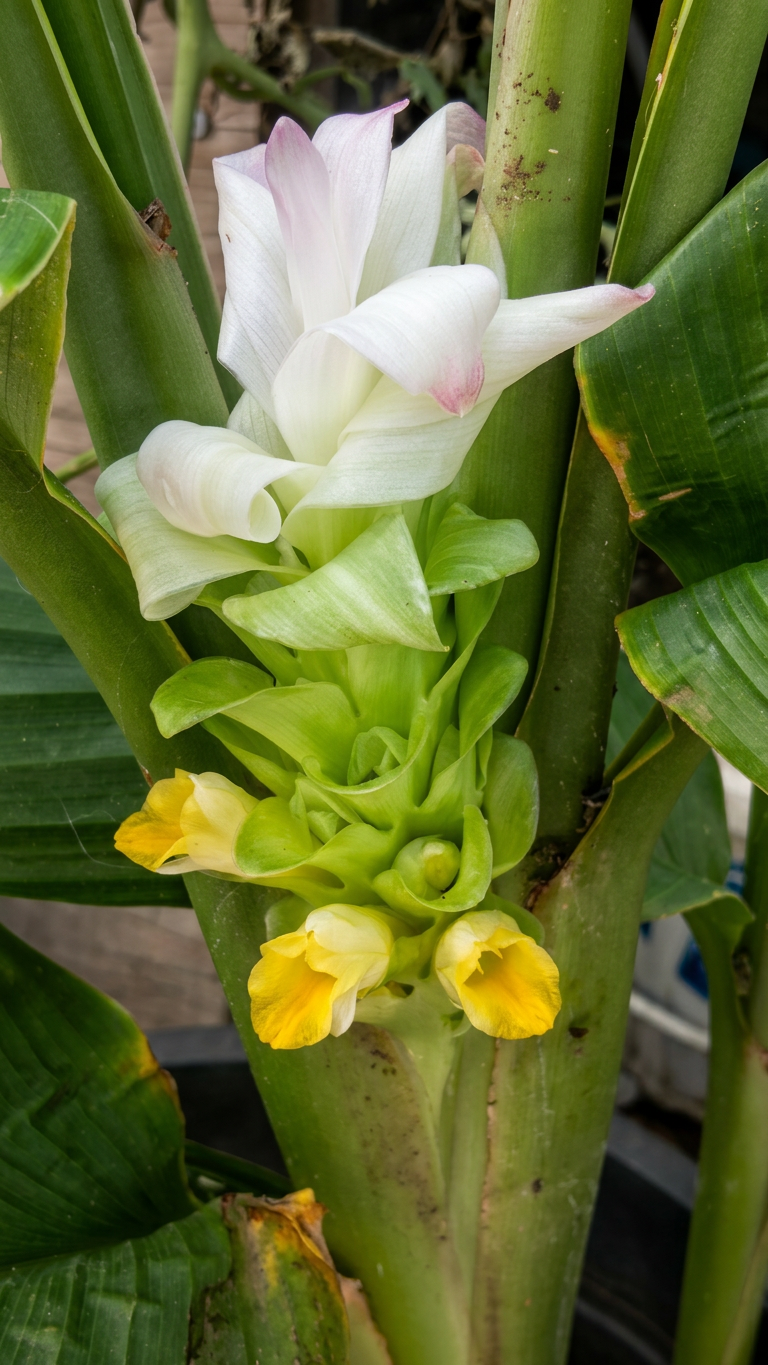
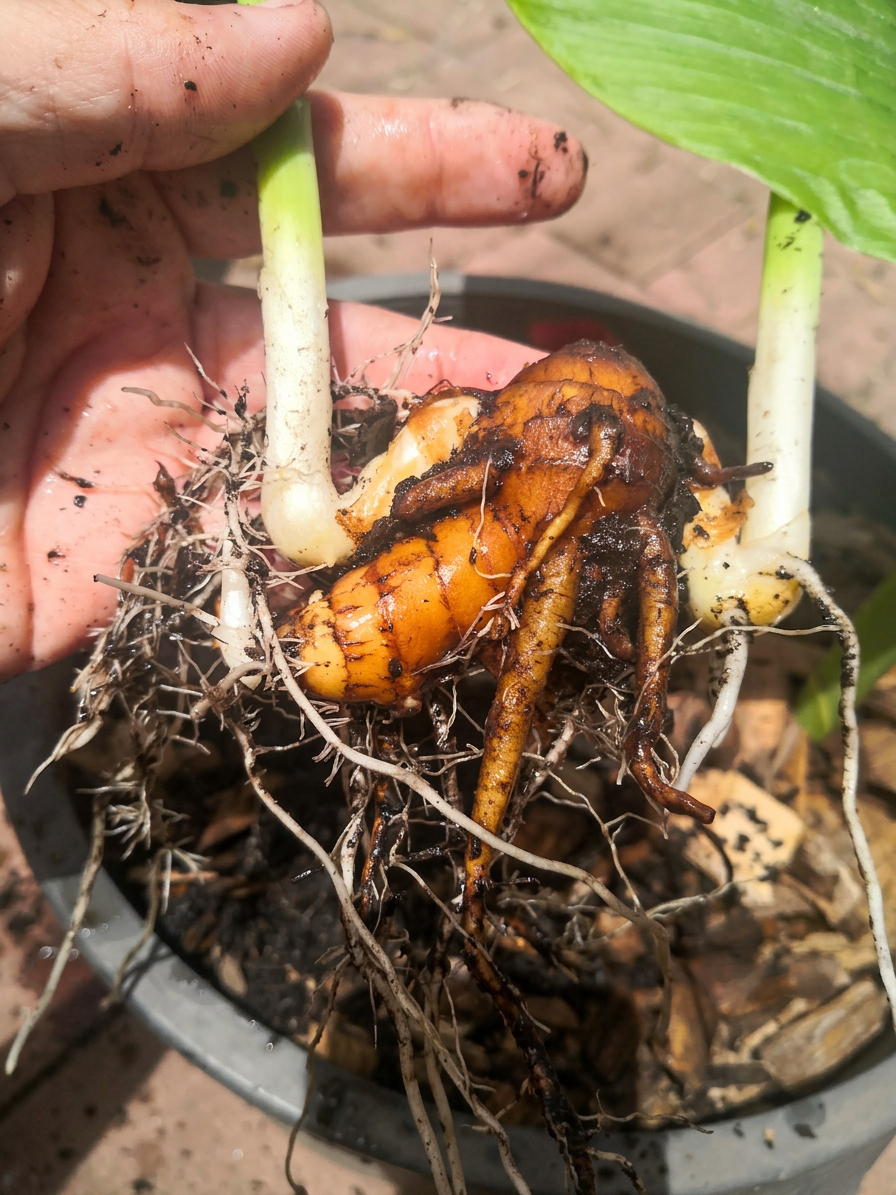
Turmeric is a rhizomatic perennial in the same family as Ginger, Cardamom and Galangal. The orange, cylindrical, branched rhizome is aromatic and has little nodules from which the new growth emerges. These are delicate and easy to break off.
Leaves are large and are really pseudo-stems composed of the rolled bases of leaves which rise to 1 metre. Narrow leaves alternately branch from the stem. There is some variation, but here in Ligaya Garden, I’ve noted that the leaves are much rounder than these of Ginger.
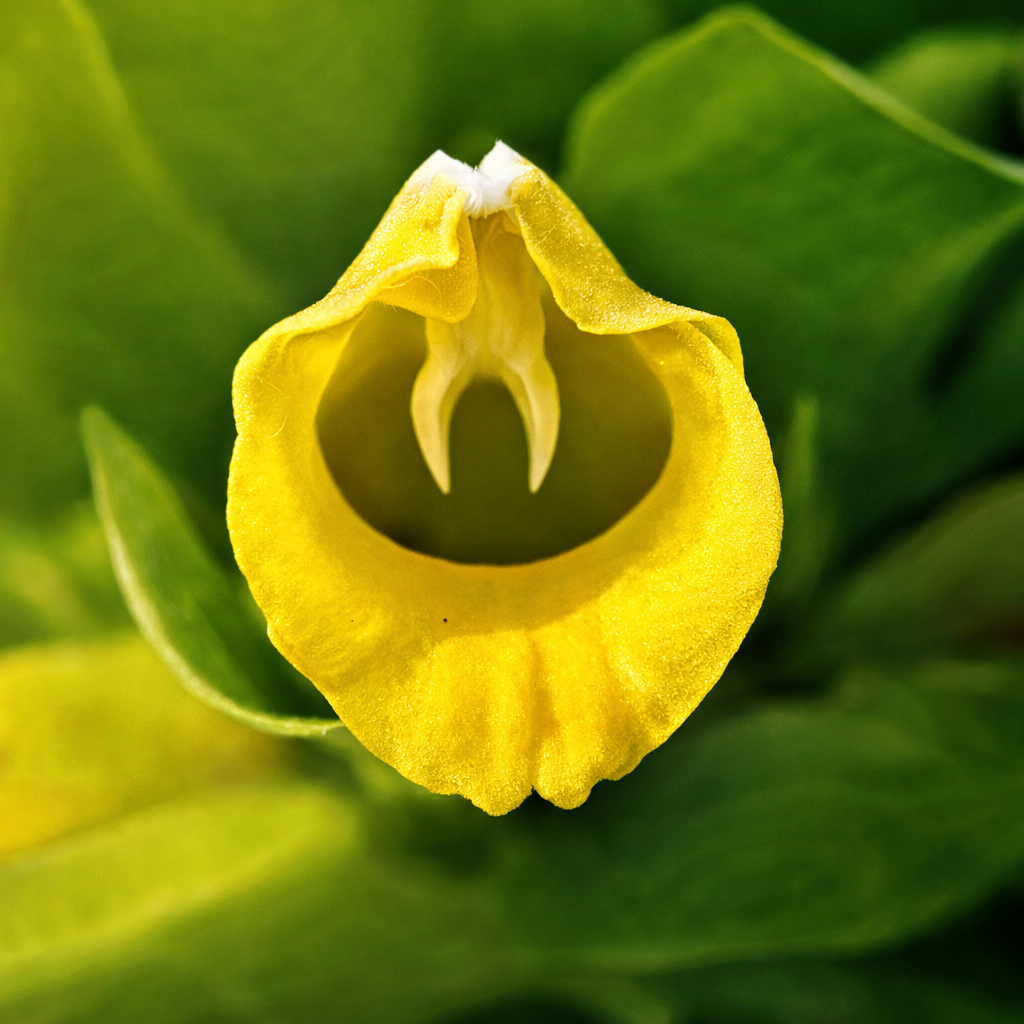
The flowers are beautiful and release their scent at night. Purple tinged white/green flowers bracts form the upper part of the inflorescence that grows straight from the rhizome as a spike. The upper part of the inflorescence is only bracts, and small yellow flowers grow in the lower part. Viewed in close-up and straight on, these look like tiny snake’s mouths, complete with fangs!
Before dormancy, Turmeric forms white tubers in which to store energy for the cold weather. You can et these too, like little potatoes.
Medicinal uses
Keywords – inflammation (most ‘-itis’), drying, warming, moving, intermittent fevers and chill
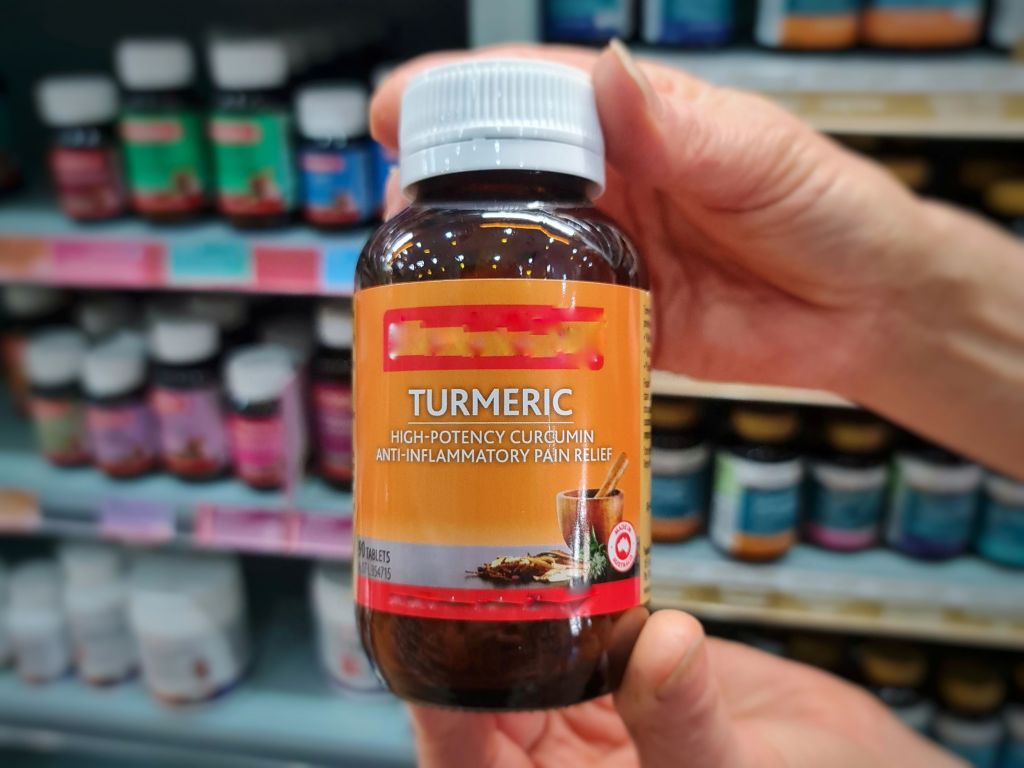
Turmeric is well known as an anti-inflammatory herb. The key constituent, Curcumin has become legendary in natural medicine circles, particularly the more commercial ones. Unfortunately, you must check the source of your curcumin, if possible because it can be created artificially from, I believe, fossil fuels – so, your ‘natural’ product may be decidedly unnatural. It is also used inappropriately by many people even though it’s widely sold as a panacea for everything. Check below in the ‘Preparing and Using’ section of this page to find out where they often go wrong.
Turmeric has more to it than just curcumin and these constituents help it get digested and assimilated (more about this below) and even help it synergise with other herbs.
While Turmeric has worked miracles, I perceive it as being useful for low grade, chronic inflammation such as is with us all of the time now because of the stress and worry that is an endemic part of every day life, poor food choices (or availability), malnutrition, pollution…you get the picture.
It’s constituents work for inflammation anywhere in our body and it performs many of its miracles by having a very beneficial effect on the liver which it both protects and stimulates, along with stimulating the digestive tract in general. Through this path, Turmeric helps balance blood sugar and reduce cholesterol. As the liver is related to Blood, Turmeric helps with blood related issues by reducing platelet aggregation (inhibits clotting), and protects the heart from both inflammation and clotting. It also reduces both the chance of and the effects of atherosclerosis by helping to reduce inflammation in our blood vessels. Blood related too, Turmeric is an emmenagogue, promoting menstrual flow when it is inhibited.
As is often the l way with herbs, there is an apparent contradiction when you look at the herbal properties of this herb. . Even though it is used to reduce inflammation, Turmeric is quite warming. But you can think that, in some cases, the inflammation is reduced because Turmeric can benefit the blood flow to the area. This warming benefit can also help with tense muscles and ligaments as well as lack of digestive ‘fire’ while working to also reduce inflammation through its complex chemistry. Ain’t herbs wonderful?
Turmeric is also a nooprotective, which means that it protects neurons and reduces damage from things like strokes and even Alzheimer’s. This benefit can be also applied to confusion, seizures, manic behaviour, hypochondria, mental fatigue with confusion and restlessness, all of which can be perceived as manifestations of inflammation in the mind and spirit, if not the physical brain.
This versatile herb also has an emotional effect – it has been used to help ease and release stuck and stagnant emotions. It has also been found beneficial when depression and childishness, which are both forms of being stuck, if you think about them.
Synergies and combinations
I like to think that Turmeric is one of the friendlies=t of herbs – it combines so well with many other herbs in many types of remedies and formulations. Turmeric is used in many formulations to bring its inflammation reducing effects. There are several key combinations that actually have a synergistic (magnifying) effect with Turmeric. Ginger increases uptake of curcumin and Turmeric increases the anti-inflammatory properties of the constituents in Ginger. Back Pepper is another well-known synergist that works well in combination with Turmeric and with Barberry and/or Oregon Grape (neither are locals, so aren’t covered on this website) make a classic remedy for liver issues.
Preparing and using
There are three things to remember about Turmeric – a) curcumin isn’t readily assimilable by our body and b) fresh Turmeric contains compounds that increase that availability. So, when you’re buying dried Turmeric powder or even straight curcumin, you’re only going to be able to absorb a little of it. This can be expensive!
The third thing to consider is that curcumin is OIL soluble, not water soluble. That means that taking it as a Turmeric tea will get some of the other constituents out but may only get you a tiny amount of the anti-inflammatory property. Taking is as capsules is also not very effective unless taken with meals (which have some oils and fats in them).
The traditional Asian way to take Turmeric is as what you could call a ‘milk decoction‘; by heating it in fresh milk. This way, the heat helps the curcumin and other goodies get extracted by the fats in the milk. This can be combined with other herbs to make a beautiful, milky chai that is the traditional way to have chai.
Being oil soluble, the goodies in Turmeric can easily be extracted as an infused oil which can then bring the anti-inflammatory properties we all love, to other herbal oils as a combination remedy. I like to use Calendula oil as the base for many of my oils – Turmeric combines well with this and I also like to add Mugwort to carry the goodness deeper into the body. A little Cayenne also brings a stronger warming effect (or you could use Ginger instead or even, as well).
Turmeric has also been used as a paste in the form of a poultice (once again, alone or in combination with other herbs) or warmed as a fomentation.
If you’re finding this information useful, share it with your community
Other herb pages on Ligaya Garden
We cover a lot of ground on many herb related topics here on our website. There are whole pages devoted to different topics as well as frequent posts. Some of the links are –
If you’re finding this information useful, share it with your community
Other herb pages on Ligaya Garden
We cover a lot of ground on many herb related topics here on our website. There are whole pages devoted to different topics as well as frequent posts. Some of the links are –