Oils are great fun to make but the traditional ways of making take e a lot of time. The intermediate alcohol method of oil making can help speed things along a lot.
I first found out about and adopted this method after watching one of Kami McBride‘s free videos. Kami is well known and respected for her oil making skills and teachings. I’d love to do her online course but at $700 AUD, It’s a little steep for me. Fortunately, Kami has lots of free info online and I’ve adapted this for m own use.
By using this method, you can cut your oil making time from the traditional month, down to just a couple of days. I like to leave it to infuse for a week for convenience.
What does ‘intermediate alcohol’ mean?
Unfortunately, it doesn’t mean having a nip between the steps of the process (awww…). It means that before you add your oil to your herbs to be infused, you soak them in a little alcohol first as an intermediate step.
The alcohol helps break down the cell walls of the herb you are using and eases the extraction of constituents by the oil. It also extracts a few of its own that can make be taken up by the oil too.
Use as high a concentration of alcohol as you can. If you’ve worked with alcohol before or read our ‘A little about alcohol” page, you’ll be aware that alcohol is a mix of ethanol and water. The concentration that you use is the amount of ethanol in the mix, the remainder is water. When making oils, you don’t need to be as fussy as you do when ticturing because they’re not fro internal use. Even non-organic alcohol with Bitrex is OK for oils (see the ‘a little about alcohol‘ page for info on this too) because the oils are being used externally.
This is important because it is water that makes oil go rancid and reduces the length of time that you can store your remedy for.
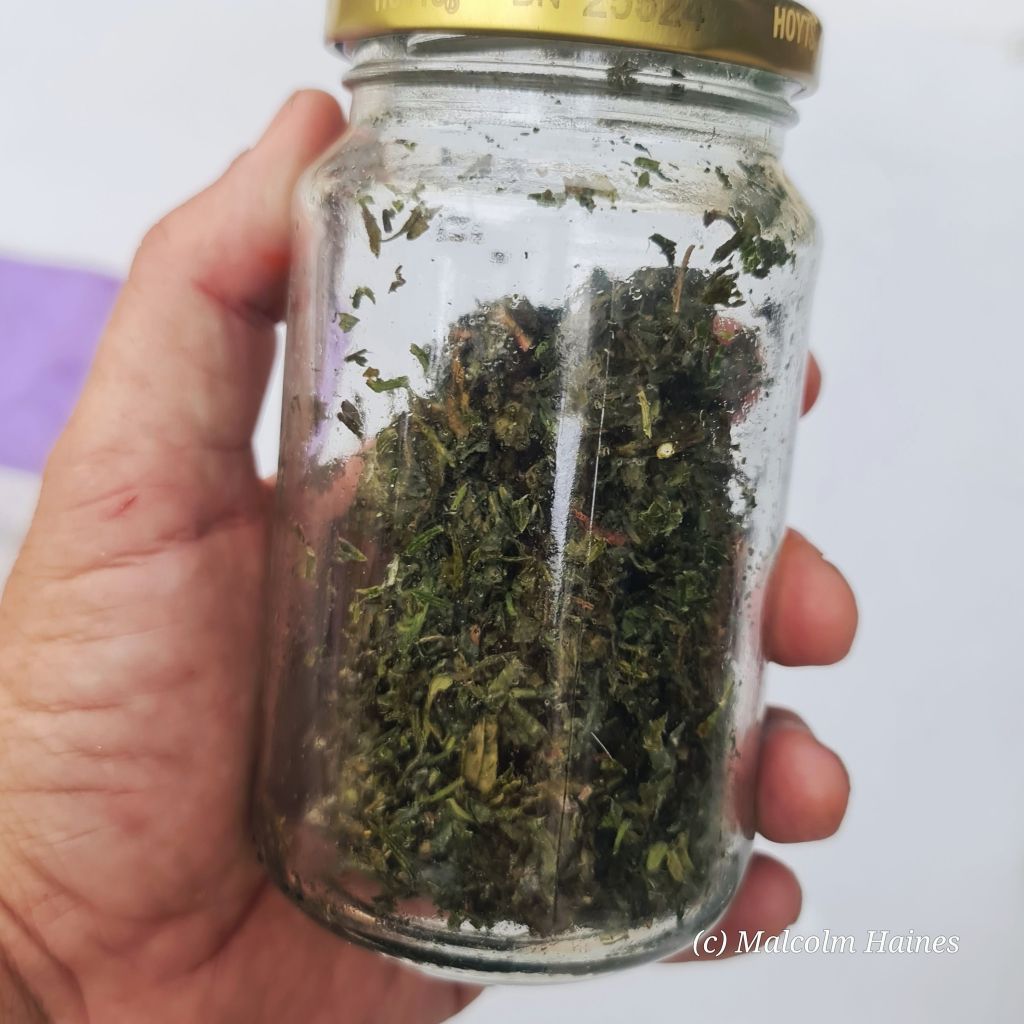
Let’s make some!
It’s an easy technique, just one or two more steps added to your usual oil making process.

- Weigh your herbs. It’s usually better to work with dried herbs when making oils because the moisture content in fresh herbs adds an extra layer of difficulty when making them.
- Measure out half the weight of the herbs in mils of alcohol. The herbs only need to be well moistened, not flooded.
- Mix together (you can just mix them in a bowl or blend them together in a blender)
- Leave to sit for a couple of hours or overnight (if you forget).
- Add the amount of oil you want to use to the herb/alcohol mix and mix or blend
- As with normal oil making, you can now just put your mix into a jar and put it somewhere warm for a week, shaking daily.
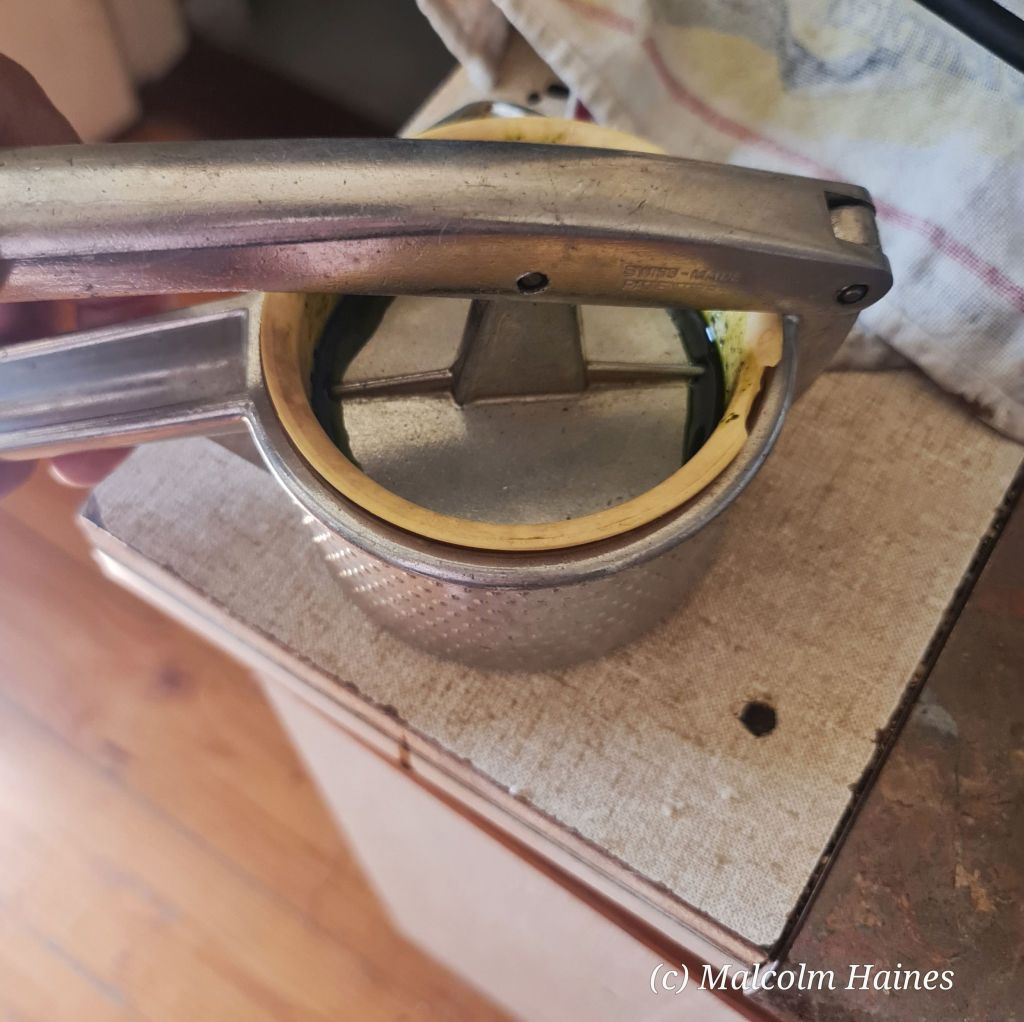
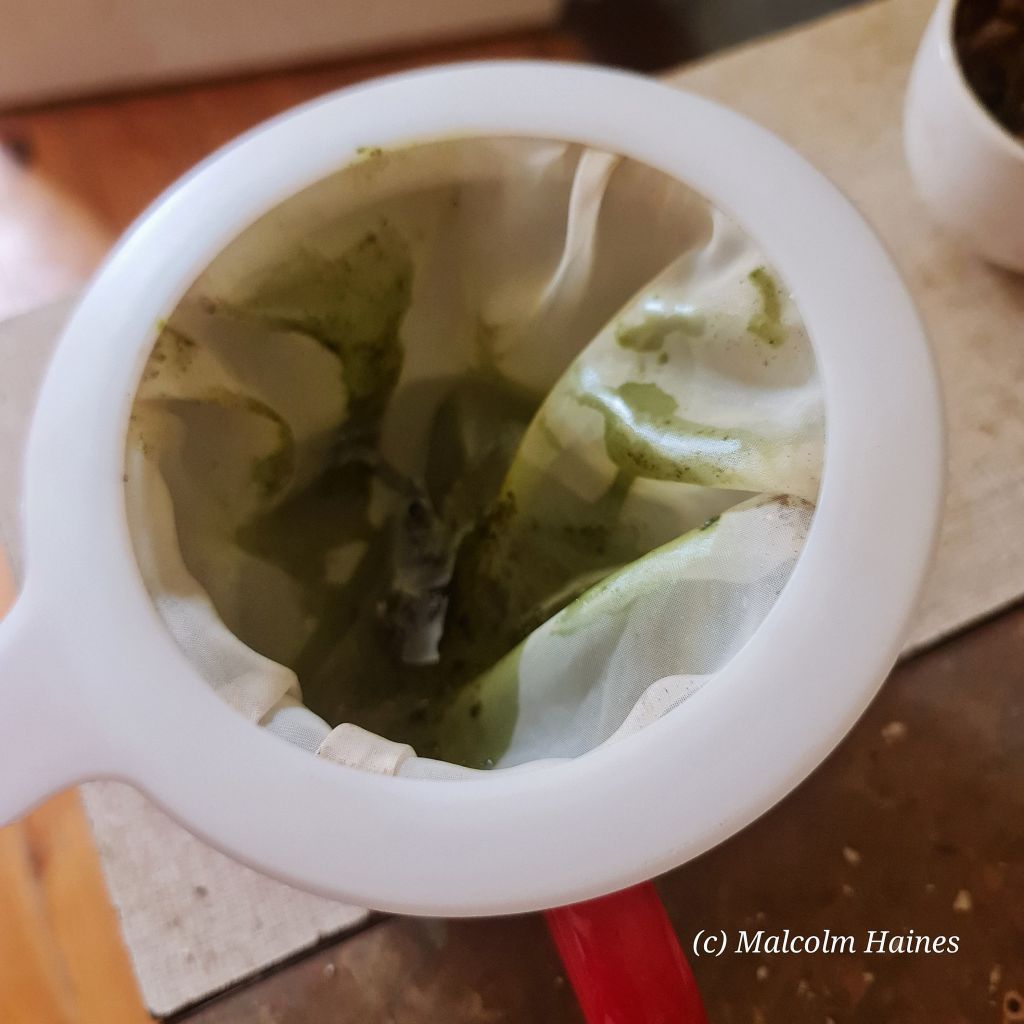
- After a week, press, decant, sieve, filter and bottle.
What about the water?
For small batches, the water in your oil may be a problem if you’re using a low concentration of alcohol. If you’re using 95% alcohol, for example, there will only be 5% water. As you are only using half the number of mils of the weight of the herb, and the herb will retain some moisture, it’s not significant.

If you are making large batches or use a low concentration of alcohol, it may present a problem. In this case, allow the water to settle out to the bottom of your container (remember that oil floats on water) and decant the oil off from that. I like to use a turkey baster to draw the water from the bottom of the oil but you’ll find your own method of doing it.
But I can’t touch alcohol…
That’s not a big issue for most people because the amount of alcohol used is very small but some devout people won’t touch it because of religious reasons.
If you are concerned, try the approach I covered in my post Making a quick oil with tinctures. It means putting the oil into a pot and gently heating and stirring it so that the alcohol is evaporated off.
Other herb pages on Ligaya Garden
We cover a lot of ground on many herb related topics here on our website. There are whole pages devoted to different topics as well as frequent posts. Some of the links are –