

Common names: Aloe vera
Taxonomic name: Aloe vera
Family: Asphodelaceae
Related herbs: Cacti
Area of origin: Arabian peninsula
Parts used: Leaf – gel and latex
Can be used for: Skin complaints, constipation, poor digestion
Actions: Gel is moisturising & soothing, nutritive. Yellow latex is stimulating and purging
Taste: Gel is salty, cool, moist. Yellow latex is pungent, bitter
Tissue states: Gel – dryness and atrophy. Latex – sluggishness and torpor
Energetics: moistening, cooling (gel), stimulating (latex)
Healing constituents: Aloin, enzymes, vitamins, minerals, salicylic acid, anthraquinones, fatty acids, mucilage
Warnings: If taken internally, Aloe vera may have interactions with prescribed drugs.
Description
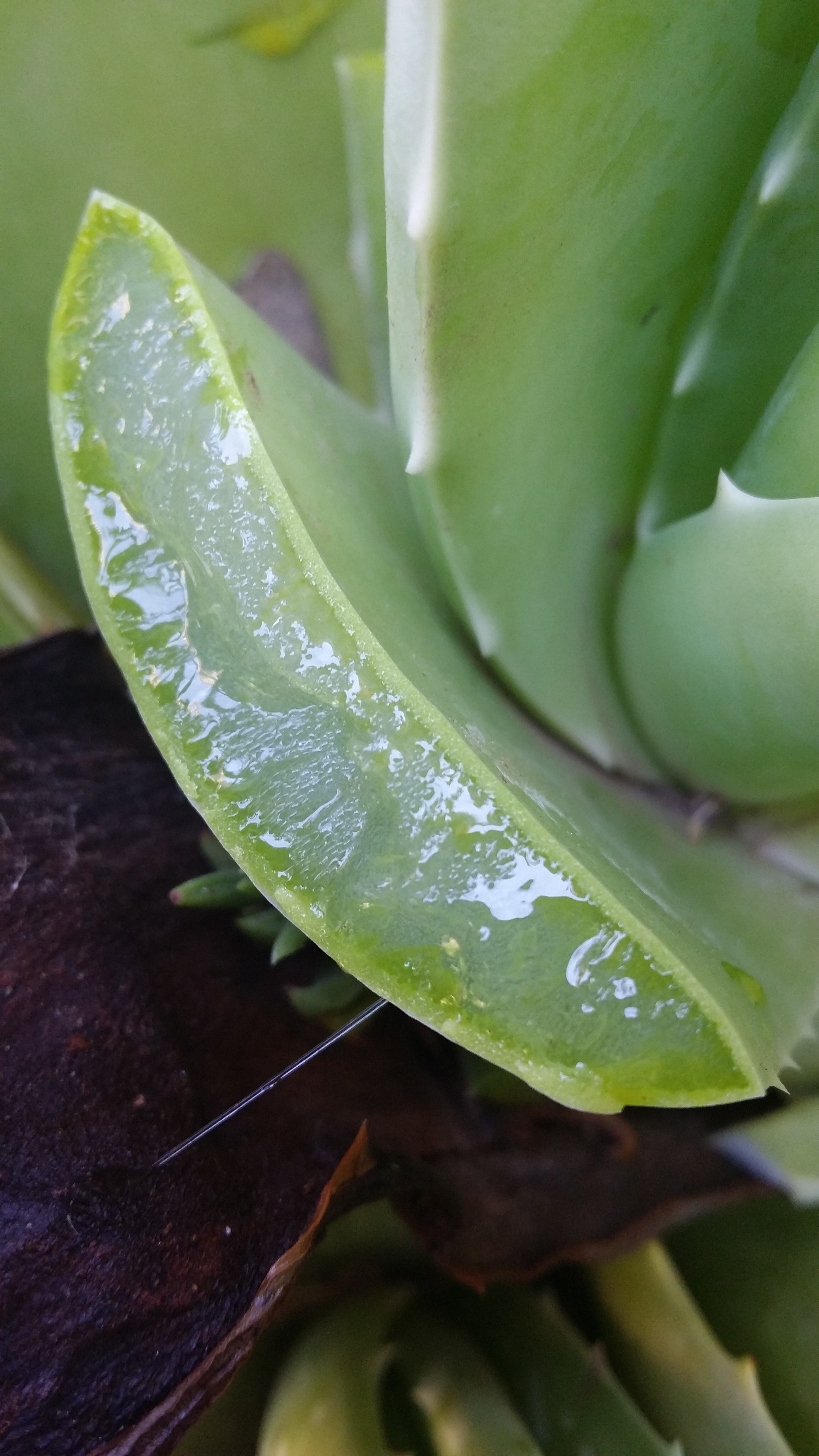
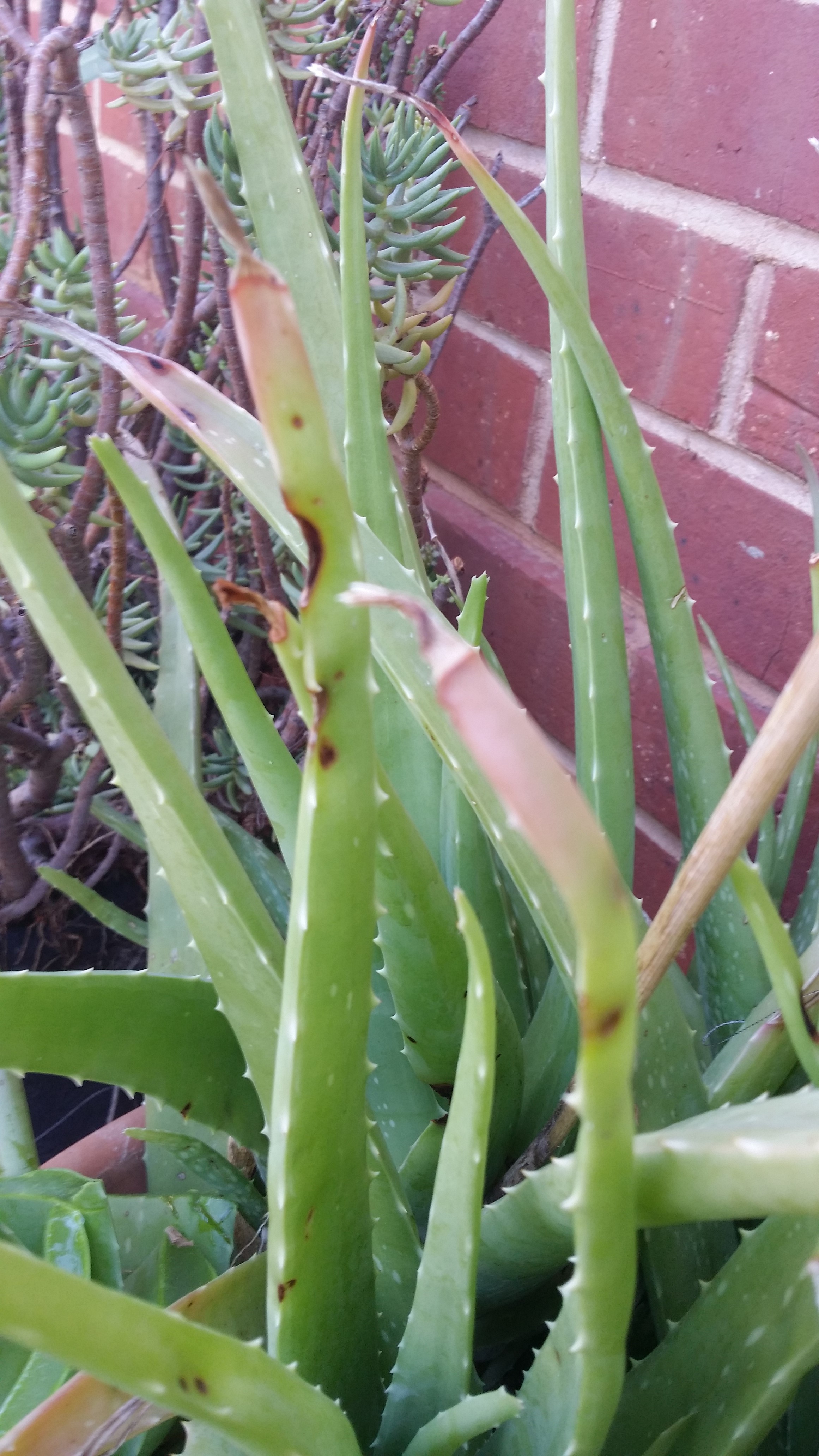
Aloe vera is a small, clumping succulent. It has thick, green, concave leaves that are easily broken, exposing a clear gel and a yellow latex. The leaves have spines along the sides. Flowering spikes up to 45 cm tall hold tubular orange/red or yellow flowers that our local Honeyeaters just love,
Medicinal use
Aloe Vera is a very famous herb, but a lot of folks aren’t aware of its full potential. We all know of the soothing gel that can be found in the leaves – Aloe is well known for dry skin disorders, burns and cuts where its cooling, moistening nature really shines but did you know it has other uses?
The gel’s soothing nature can also be used to settle stomach problems, especially those caused by inflammation. Aloe vera also feeds the gut biota and keeps them healthy and by doing this, can also help one lose weight by reducing appetite. A healthy gut biome is essential to our health. Not only does it help our digestion, many chemicals that are necessary to good health, such as serotonin, are manufactured there.
Taken internally, Aloe vera is quite the potent laxative. It works in two ways. As mentioned before, the gel is a prebiotic and feeds our gut microbes. Healthy gut microbes can help bulk out stools and cause our body to move waste material on out, to our great relief.
The second way that Aloe vera works as laxative is through the yellow latex that is found beneath the skin of a leaf. This is a powerful, stimulating laxative due to the presence of compounds called anthraquinones (if you ever see those listed as a plant constituents, you know they strongly stimulate bowels)and can clean you out quite explosively, so take it very easy until a little experience using it. It can also purge you the other way – through making you vomit if you have more than a little. Try the gel for a few days before trying the other option – if it works, it’ll be much more comfortable. If you your pipes are in need of an urgent, thorough, cleaning, there’s little better than a spoonful of Aloe! It’s so good that it has been used for expelling intestinal worms too.
Preparing and using Aloe vera
You can harvest the leaves of Aloe vera plants any time but it seems that they are most potent as the tips turn pink.
I harvest the gel periodically and keep it in the fridge for use for minor ailments. Keeping it cold in the fridge adds to its cooling effect nicely. Even kept in the fridge, it’s best to replace the gel every couple of months. The gel can be harvested all year round but seems to be most potent just before flowering. Worms love the gel, so there’s no problem getting rid of the old stuff!
There’s no need to make a salve or ointment for red, inflamed areas because the gel stores well and both gel and latex are always available in the plant.
I’ve never had the need to do it but some folks put some Aloe vera gel in smoothies and I’ve seen Aloe vera based drinks out there. My big bowl of morning oats keeps me smooth and regular but folks who have had the gel as a drink swear by it.
There are other, edible, varieties of cacti similar to Aloe vera, some even called ‘Aloe sp.’ They all have that wonderful pre-biotic aspect to them. Prickly Pear (Opuntia species) is another common wild cactus out this way that feeds our gut biome as well.


2 responses to “Aloe Vera (Aloe vera)”
You could also dehydrate the rind and the pulp. Once dehydrated, blend it and store it well and you can rehydrate it with water or if using it in smoothies just put one or more teaspoons into the smoothie and blend.
LikeLike
Thanks, that’s really interesting. I thought that would produce a strong laxative effect
LikeLike