Common names: Annual Nettle, Dwarf Nettle, Dog Nettle, Small Nettle, Dog Nettle
Taxonomic name: Urtica urens
Family: Urticaceae
Related herbs: Stinging Nettles (U. dioica), Ramie, Ajila. Scrub Nettle (U. incisa) Stinging Trees (Dendrocnide species) excelsa (giant stinging tree), and Dendrocnide moroides (stinging tree, gympie-gympie). Small Shade Nettle (Australina pusilla) and Native Ramie
Area of origin: Eurasia
Parts used: aerial parts, seeds, roots
Can be used medicinally for: food, mineral deficiency, allergies, eczema (particularly childhood and nervous types) general tonic, burnout, arthritis, sex drive, kidney complaints, some mental states, exhaustion, some blood pressure issues, kidney complaints, hemorrhage anywhere in the body, heavy periods, blood sugar issues, BPH, urinary infections, nocturia, myalgia, kidney stones, tumors and hard deposits
Organ/System affinities:
Healing Actions: astringent, tonic, nutritive, hypotensive, diuretic, kidney tonic, antiallergenic, nervous system tonic, hyperglycemic, hypoglycemic, dissolving.
Note: There are more actions listed in many books that don’t distinguish between U. dioica and U. urens, so I’ve only included those that I’m sure about for U. urens.
Taste: sweet, salty, meaty, bitter
Tissue states: atrophy, dry, heat, excitation, excess
Energetics: cooling, drying, nourishing
Healing constituents: chlorophyll, histamine, serotonin, acetylcholine, flavanol, flavonoids, glycosides (isorhamnetin, kaempferol, quercetin), proteins, dietary fibre, vitamins C, E, D, calcium, iron, magnesium, oleanolic acid, sterols, sterol glycosides, isolectins, carbohydrates, tannins, polysaccharides, amino acids, fatty acids, carotenoids, terpenoids, isoflavones, anthocyanins, catechins, phenolic acids, catechins, urticin, formic acid, silicon, a phytoandrogen
Warnings: Use gloves and cover your skin when handling any kind of Nettle unless you’re indestructible like me – I became immune to the stings a long time ago. Some people are very sensitive to them and get a rash called urticaria.
Because of their diuretic, kidney supporting nature, be careful when using Nettles alongside blood pressure medications.
Description
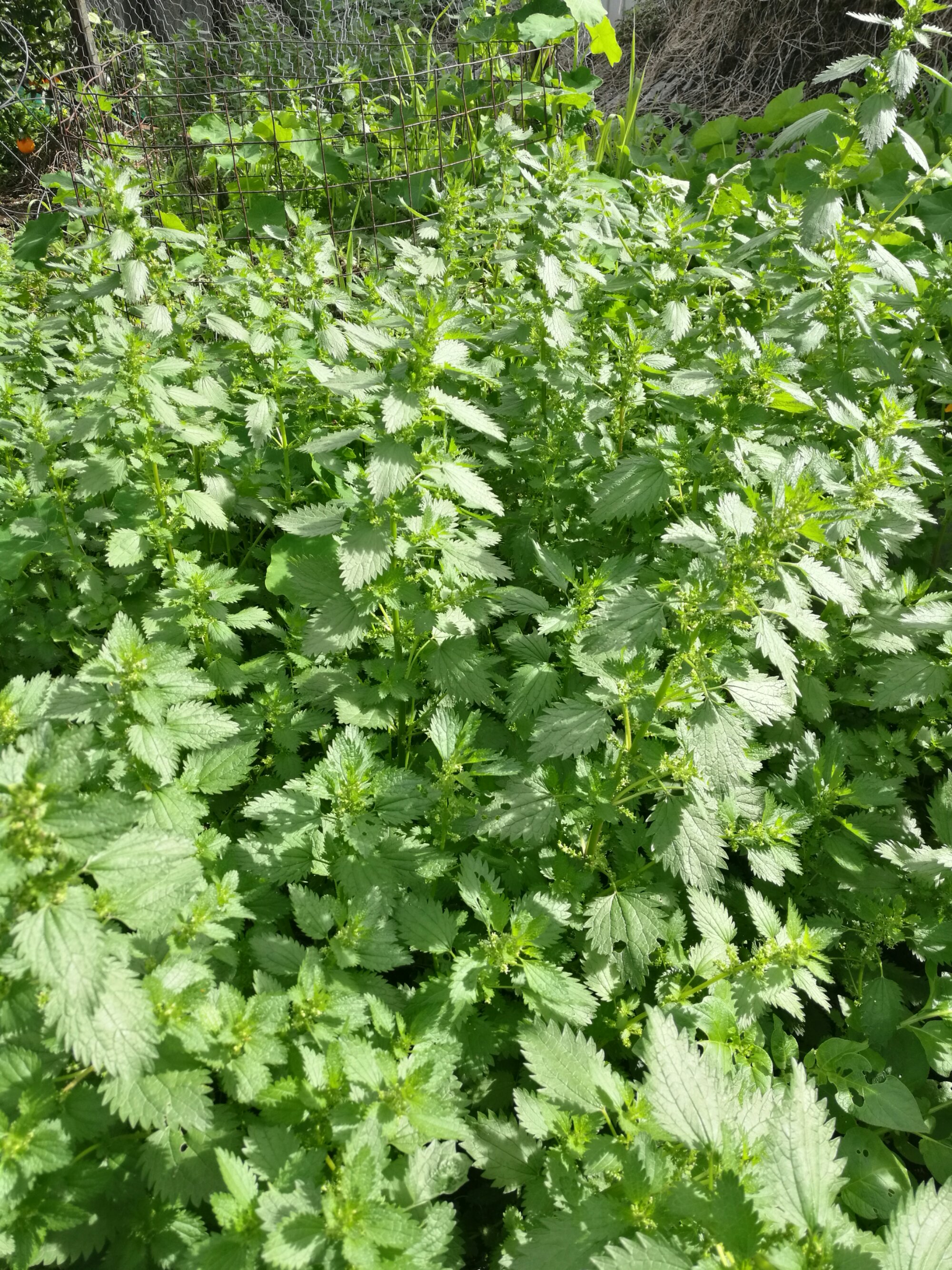
The Nettle (Urtica urens) that we get here in South Australia. are not the Nettles that are covered in many common herbals. That one is the perennial Urtica dioica, ours’ is Urtica urens, an annual. That means that there is no real progression in harvesting the parts as you see in northern hemisphere herb books, just grab the whole plant as it gets to about six inches or taller.
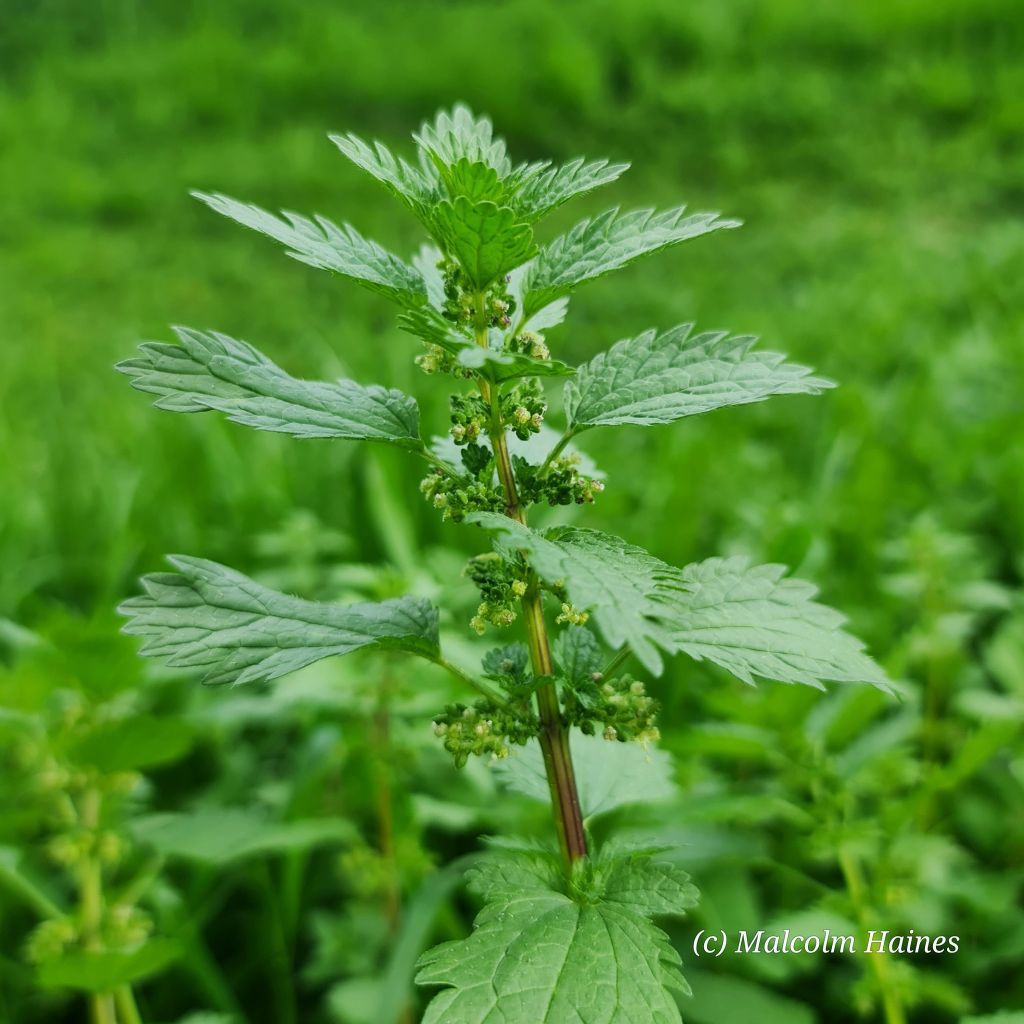
Urtica urens are upright (to 1.5m tall) , annual, herbaceous plants, easily identified by their stinging hairs. Leaves are opposite, 2-5 cm long and serrated, with easily seen veins. The upper surface is usually darker green than the underside.
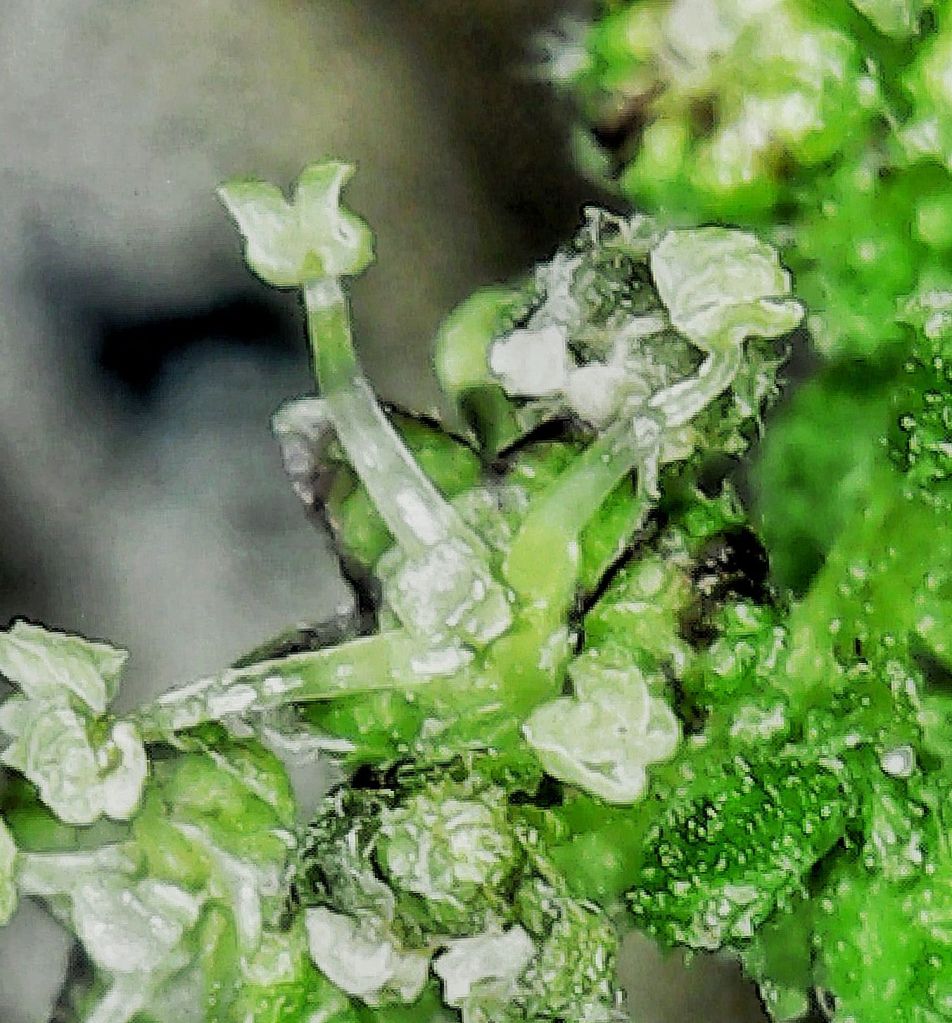
Flowers are small and greenish – white and borne in small clusters on the stem. Plants are monoecious, having male and female flowers on the same plant. They are tiny and have 4 stamens.
If you’re finding this information useful, share it with your community
Medicinal uses
Nettles (Urtica urens) can be used externally to stimulate local blood flow, this can bring relief to arthritic joints. The process is called ‘urtication’ and uses the leaves and stems applied vigorously to the skin around the joint. Some go as far as whipping the joint with the Nettles.
A bit extreme in my view, but it does work. I subjected myself to some gentle rubbing on my elbow this year and, like magic, the pain temporarily vanished. So, if you’re suffering from the constant pain of arthritis, it can bring you relief.
In the old, old, old days it was recommended for men to whip themselves on the lower stomach, between navel and genitals to increase potency and arousal. Hmmmm? Maybe that deserves two Hmmmm’s…

Anyway, back to reality. The stings of Nettles contain a brew of formic acid ,histamine, serotonin and acetylcholine, all of which add an irritant effect to the mechanical irritation of the sting. The juice of the leaves contain alkaline substances which are the cure for the sting! The stings are rendered inactive by hot water, cold water, time, or the juice from Nettle leaves. Yes, Nettles contain an antidote to their own stings! Vinegar works a treat too.
Nettles are bitter, sweet and stimulating. They are a great restorative and tonic for any form of exhaustion. They work on protein pathways throughout our bodies (remember, protein doesn’t just refer to dietary intake here, our body’s communication system is bases on transmission of proteins), so can help restore damaged systems that have atrophied or become inactive through illness. The herbal term for this is ‘trophorestorative’. As a trophorestorative, Nettles have been used to restore thyroid function and to balance hyperthyroidism.
Urtica has a special affinity for the kidneys, nourishing them and helping with elimination. Nettle seeds, in particular are famous for their ability to restore kidney function. This makes them a great boon for fluid retention and blood pressure issues.


Nettles are a highly nutritious food, they contain high levels of practically anything that’s good for us, especially iron and protein. In tough times, people have lived solely on nettles. They have been used as food, medicine, fabric, paper, compost activator and companion plant. The taste of Nettles is described as sweet, salty and ‘proteinaceous’ or ‘meaty’ alluding to what some consider its meat-like taste. Indeed, when you get healthy, very dark green, Nettle leaves from rich soil, the taste is kind of like meat and will stay around in your mouth for a while.
As with many plants, the way that nettles grow can show us how they can help us. Nettles thrive on rich soil, they love nitrogen, moist soil and concentrate all that goodness for us. Their properties as remedies reflect those growing conditions.
Our Nettles lack only one of the properties of U. dioica, that is the root. Ours doesn’t produce a strong root. That root has properties especially beneficial for men. It has a phytoandrogenic compound that binds with compounds in our body and prevents them from binding with free Testosterone, leaving more in the system for use. There isn’t any evidence that our Urtica contains that compound. That’s one reason why you need to closely look at the taxonomic name of the herb that you are thinking of using and make sure it is the right one.

Our sex hormones have very deep and powerful effects throughout our bodies and minds, not just with reproduction. Many men nowadays suffer from testosterone imbalances but Pine pollen is another easy to find alternative for that.
Nettles are good for the kidneys, restoring and improving their function. This means that Nettles are a mild diuretic (makes you pee) and therefore have a slightly drying effect on the body. Taken as a tea, they should be OK, but when taking a tincture, it probably helps to drink extra water…which will be effectively flushed by your improved kidney function..hooray!
Now the bit that I like most. Nettles are excellent for hayfever. Something in the Doctrine of Signatures here. Often something that causes redness and soreness can improve these same symptoms. You will see Nettles listed as an antihistamine. They are, but not in the sense of pharmaceuticals which you take when you already have too much histamine being produced.
For seasonal allergies, it’s best to use Nettles preventatively, to start taking them as an infusion when they start to appear in the wild or in your garden. They’re best when taken for a month or so before the allergy season starts, so they can get the body working well in preparation Getting stung by Nettles when harvesting introduces tiny amounts of histamine into your system, promoting your body to produce antihistamines. If you do this in the lead up to allergy season, you’ll already have antihistamines floating around in your season when the time for sneezing starts.
Our friends Nettles also have properties that affect our moods. They are listed as containing Serotonin and the stings do. In fact, they contain a cocktail of formic acid and several neurotransmitters (including serotonin, acetylcholine and GABA) that really irritate the skin. Ingesting them helps us to absorb them better than being stung and the fibre content of Nettles helps feed our gut bacteria who, afterall, control our neurotransmitter production and distribution. All those other nutrients also contribute to us feeling better too.
So I wouldn’t rush out and stop taking all your meds and start drinking gallons of tea! However, taking Nettles, even for just their nutritious effects will bolster moods and energy levels, as well as clean out some of the toxins in our systems through their actions on the kidneys.
Preparing and using Nettles
Any soaking, washing, drying or literally anything else done to Nettles disables their sting which, though nasty, are quite fragile.
Fresh Nettles can be juiced or extracted as a succus or added to a smoothie. They have a long tradition of being used in cooking as a nutrient rich leafy green. Nettle Spanakopita is lovely and they make an excellent pesto with Basil.
Nettles can be used fresh or dried for making teas and infusions. A brief spell in hot water will bring out many of the easily soluble constituents but leaving a larger quantity to infuse overnight can really make Nettles shine as a remedy. The liquid goes a deep, emerald green and the taste deepens enormously. Using Nettles this way extracts many more of the water soluble minerals than taking it any other way except for eating fresh. Some folks decoct their Nettles but I haven’t found that this provides a superior extraction. The decoction is used for washing hair and helping reduce baldness, if you want to try it.
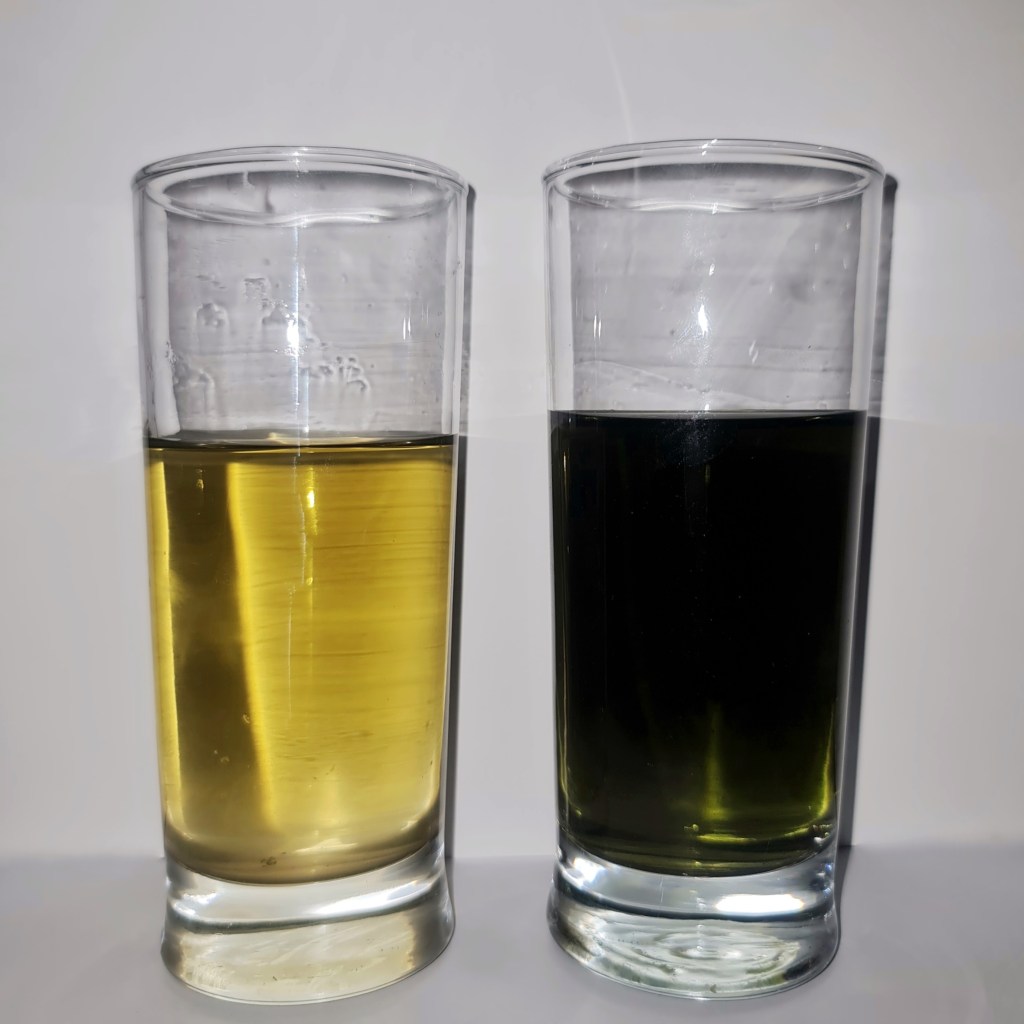
Nettles makes an excellent tincture if you want to really concentrate some of the compounds but you lose out on many of the water soluble minerals mentioned above.
Rubbing the fresh leaves directly onto areas affected by rheumatism and arthritis will bring blood to the area , relieving pain. Some folks even whip themselves with fresh Nettles for this and other purposes.
Nettle infused oils and ointments can be made too, though I’ve not done this yet.
Other herb pages on Ligaya Garden
We cover a lot of ground on many herb related topics here on our website. There are whole pages devoted to different topics as well as frequent posts. Some of the links are –