It’s highly likely that I broke a rib a couple of weeks ago (that’s when I first wrote this post but its been a couple of months tucked away forgotten in my drafts section, so time to pull it out and publish it). But that’s not the interesting part…after I popped into our Gawler health store (I’d run out of Arnica, Yarrow and Comfrey salves at home and didn’t have the time to brew anything up before the pain set in) …I ran into a fella who informed me that ‘no research has been done into how herbs work’.
That’s my favourite pick up line!
So I shared some info with him about the bits and bobs tucked away inside the plant remedies and thought, out of interest, I’d share a little about how these herbs work with you goodly folk. I do love translating technical talk into good old ‘Strine, so here’s some technical science (totally unresearched, of course (I don’t know how to put a wink emoju here on my new keyboard but just imagine that it’s there), according to our new friend).
Key constituents in 3 herbs and their actions…
Arnica (A. montana) Active constituents: Helenalin & 11α,13-dihydrohelenalin.
Key Actions: Alkylates the p65 subunit of NFκB, blocking transcription of proinflammatory cytokines (TNF-α, IL-1β) and COX-2. Drives macrophage phagocytosis of extravasated blood cells.
In Anglish for you and me: Reduces the chemicals that tell tissues to become inflamed and makes the cells that clean stuff up hungrier so they eat more the blood cells that get outside of blood vessels and cause bruising. (No, ‘Pro-inflammatory cytokines’ isn’t a new term for the trolls in a One Onion post’s comment section😁).

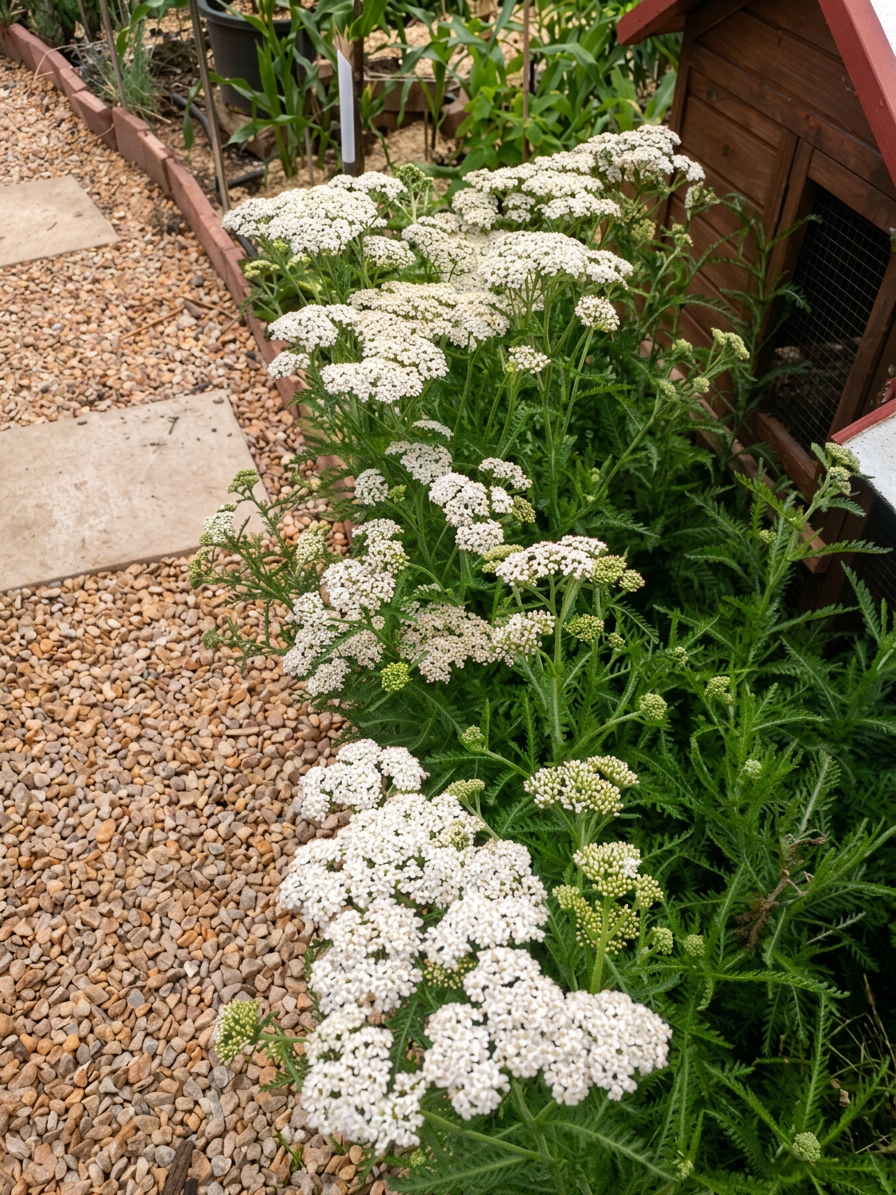
Yarrow (A. millefolium) Active constituents: Chamazulene, Apigenin, Rutin, Achilleine.
Action: Suppresses 5-LOX pathway (LTB4 reduction).
Key actions: Apigenin provides smooth muscle spasmolysis, while rutin and tannins restore vascular integrity and reduce capillary leakage.
In Anglish, for you and me: relaxes muscles in the blood vessel walls, relieving some of the pain and letting blood flow better. Restores the seal on blood vessel walls, stopping blood and fluid leaking out.

Comfrey (Symphytum officinale) Active constituents: Allantoin, Rosmarinic Acid, Mucilage.
Key Actions: Allantoin stimulates local mitotic cell division and osteoblast/fibroblast proliferation. Rosmarinic acid inhibits complement activation (C3b) to suppress deep tissue edema.
In Anglish, for you and me: makes cells divide faster and better and stimulates the cells that make new bone. Reduces swelling by reducing the thing that triggers fluid escape and retention in damaged tissues.
Of course the plants don’t need to know this they just do their thing …🌱
By the time I’d finished explaining, my new friend’s eyes had glazed over and he’d shuffled off down the street leaving me to continue the discussion with an unsuspecting pigeon. 🕊

Other herb pages on Ligaya Garden
We cover a lot of ground on many herb related topics here on our website. There are whole pages devoted to different topics as well as frequent posts. Some of the links are –