
Traditionally, one is told not to knclude damaged leaves in your herb harvest. Do you use bug damaged plant parts in your remedies?
I do! Many of the constituents that we plant people find beneficial are the product of a plant, either for its own protection from environmental stresses or direct attack such as a bug bite. When it considers itself under attack, it creates chemical defenses that change the taste and smell of the plant, making it unpalatable or even toxic to its attacker.
Here’s an everyday example that many of us can associate with. If you’ve ever had a lawn, you may have noticed that the more that you cut your Kikuyu or Couch, the more it grows. This is because to the grass, the mower is attacking it, so it creates and spreads chemical messengers to warm other grasses nearby that it is under attack and to grow faster.
I’ve found that marginally more potent remedies can be made from plants that something has had a bit of a nibble on. You could say that leaves are more bitter once they’ve been bitten 😁
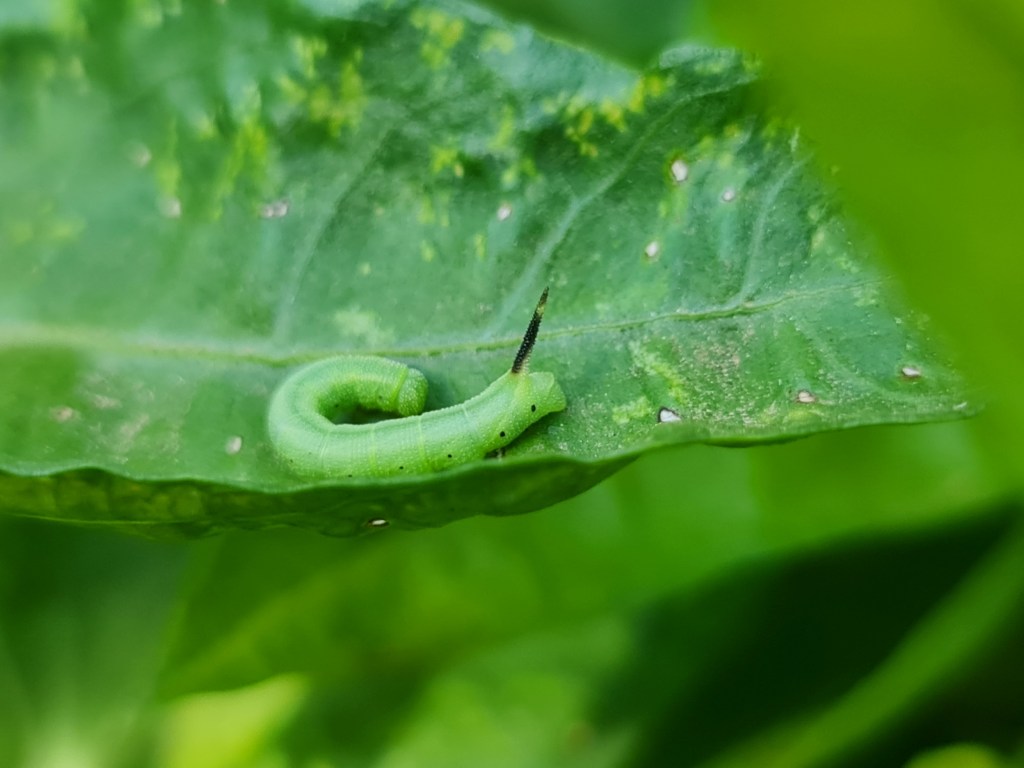
Of course, there are limits to the nibbling. Too much weakens the plant but if you see a leaf or two that has a hole in it or find caterpillars on the plant, include the leaves in your remedy (sans caterpillars of course).
Here’s something to impress your friends with at parties – the constituents created by the plant that are not for everyday metabolism and growth are called ‘secondary metabolites’ and are generally the ones that we can use medicinally.