Bites and clears the nose
Common names: Watercress
Taxonomic name: Nasturtium officinale
Family: Brassicaceae
Related herbs:
Area of origin: Europe and Asia
Parts used:
Taste:
Organ/system affinities:
Energetics:
TCM:
Tissue states:
Healing actions:
Has been used medicinally for:
Healing constituents (classified by LLM):
- Glucosinolates: gluconasturtiin and other glucosinolates; glucotropaeolin
- Isothiocyanates: phenethyl isothiocyanate (PEITC), methyl isothiocyanates; benzyl isothiocyanate
- Phenolic acids: caffeic acid, p-coumaric acid, ferulic acid, chlorogenic acid, protocatechuic acid; sinapic acid
- Flavonoids: quercetin, quercetin-3-O-rutinoside (rutin), kaempferol, isorhamnetin
- Tannins and proanthocyanidins: gallotannins, ellagitannins, proanthocyanidins
- Carotenoids: beta-carotene, lutein, zeaxanthin
- Terpenes: alpha-terpinolene, limonene, caryophyllene oxide; beta-caryophyllene
- Vitamins: vitamin A, vitamin C, vitamin E, vitamin K, vitamin B1, vitamin B2, vitamin B3, vitamin B6, folate
- Minerals: calcium, iron, magnesium, phosphorus, copper
- Other constituents: fatty acids, proteins, sugars
- Uncertain: p-cymene-8-ol, dicaffeoyltartaric acids
Contraindications & warnings
Drug /herb interactions
If you’re finding this information useful, share it with your community

Looking at Watercress
Watercress (Nasturtium officinale) isn’t to be confused with the garden Nasturtium (Trapeolum majus) even though its Genus name is the same as the latter’s common name. This is just a bit of confusion but it’s due to the fact that both have quite a mustardy bite. ‘Nasturtium’ comes from Latin in which it means literally ‘to twist the nose’. Both plants are related, being in the Cabbage Family, Brassicaceae.

Watercress as a healer
Keywords:
Watercress is highly nutritious and is especially high in vitamins A, C and K. One cup of Watercress has 106% of the recommended daily intake of Vitamin K. Many of the nutrients packed into it are powerful antioxidants which reduce the chance of several types of cancer, diabetes and heart disease.
The antioxidants and vitamin K are enormously beneficial for clotting and the health of blood vessels. Watercress is also found to lower cholesterol. It is full of minerals too, especially those which contribute to bone health. Nearly everything about this plant contributes to a much healthier and responsive immune system.

Subscribe or donate to support our work and keep us free for everyone

Herbally, Watercress is useful when it comes to boosting our immune system. As mentioned above, it is quite a tonic as well as containing compounds which directly fight colds and flu. It should be eaten, fresh in any case of illness where improved digestion can be of assistance (and that’s pretty well anything)!
Like many other Brassicas, Watercress is high in Sulphur.which helps in protein absorption and cell building, especially skin cells.
Watercress can be quite invasive in the garden. Once it’s set seed, you’ll find it popping up everywhere. That’s not such a bad thing, though, as it is so useful.
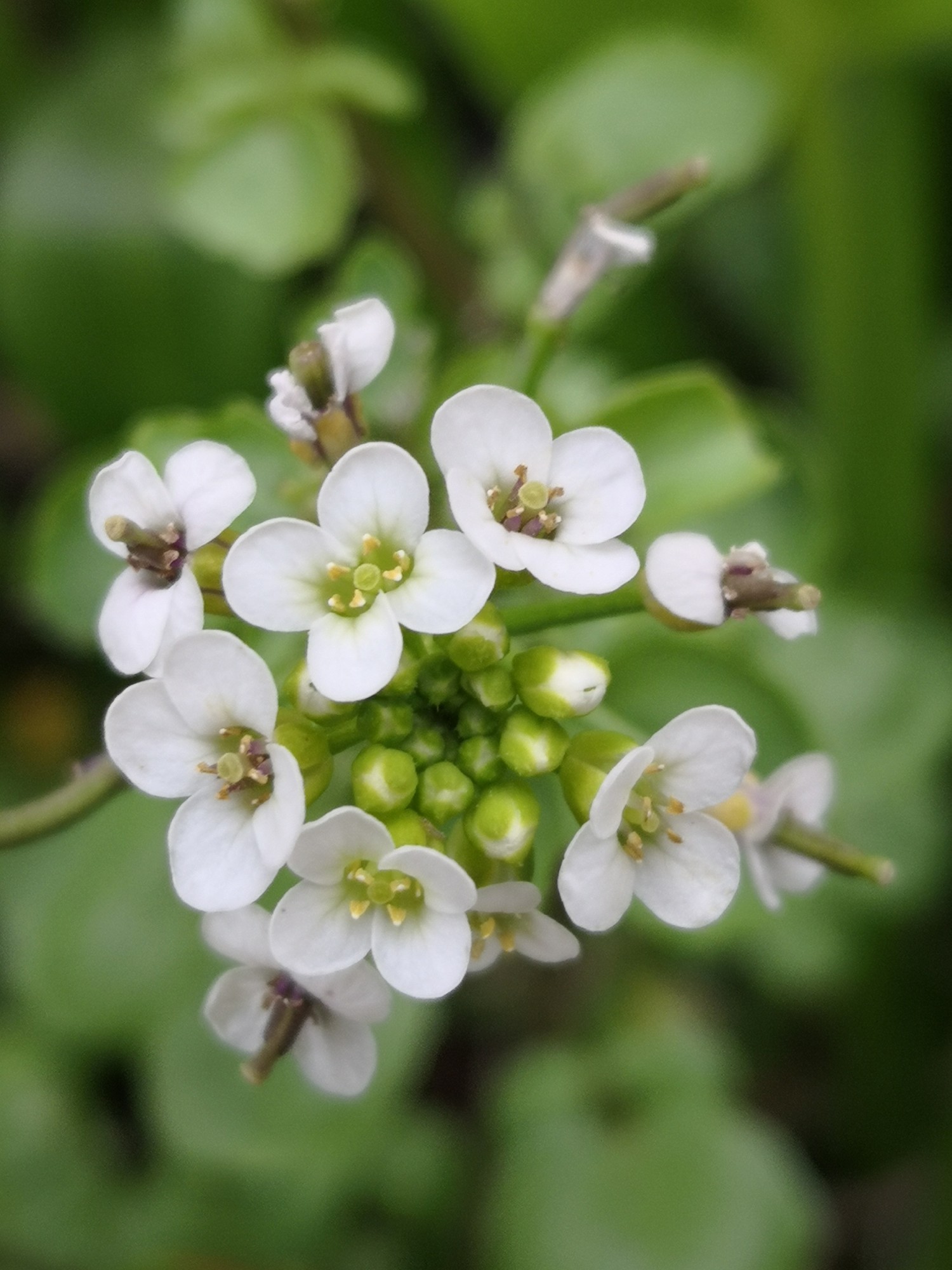
It is a sprawling plant with hollow stems that allow it to float. It has lobed leaves and green and yellow clusters of flowers. The main way to make sure that you have Watercress is by its bite if you nibble on a leaf.
Making Watercress remedies
Other herb pages on Ligaya Garden
We cover a lot of ground on many herb related topics here on our website. There are whole pages devoted to different topics as well as frequent posts. Some of the links are :